Passenger Elevator Partnership FAQ: Terms, Acceptance Criteria & After-Sales Support
Passenger Elevator Partnership FAQ: Terms, Acceptance Criteria & After-Sales Support
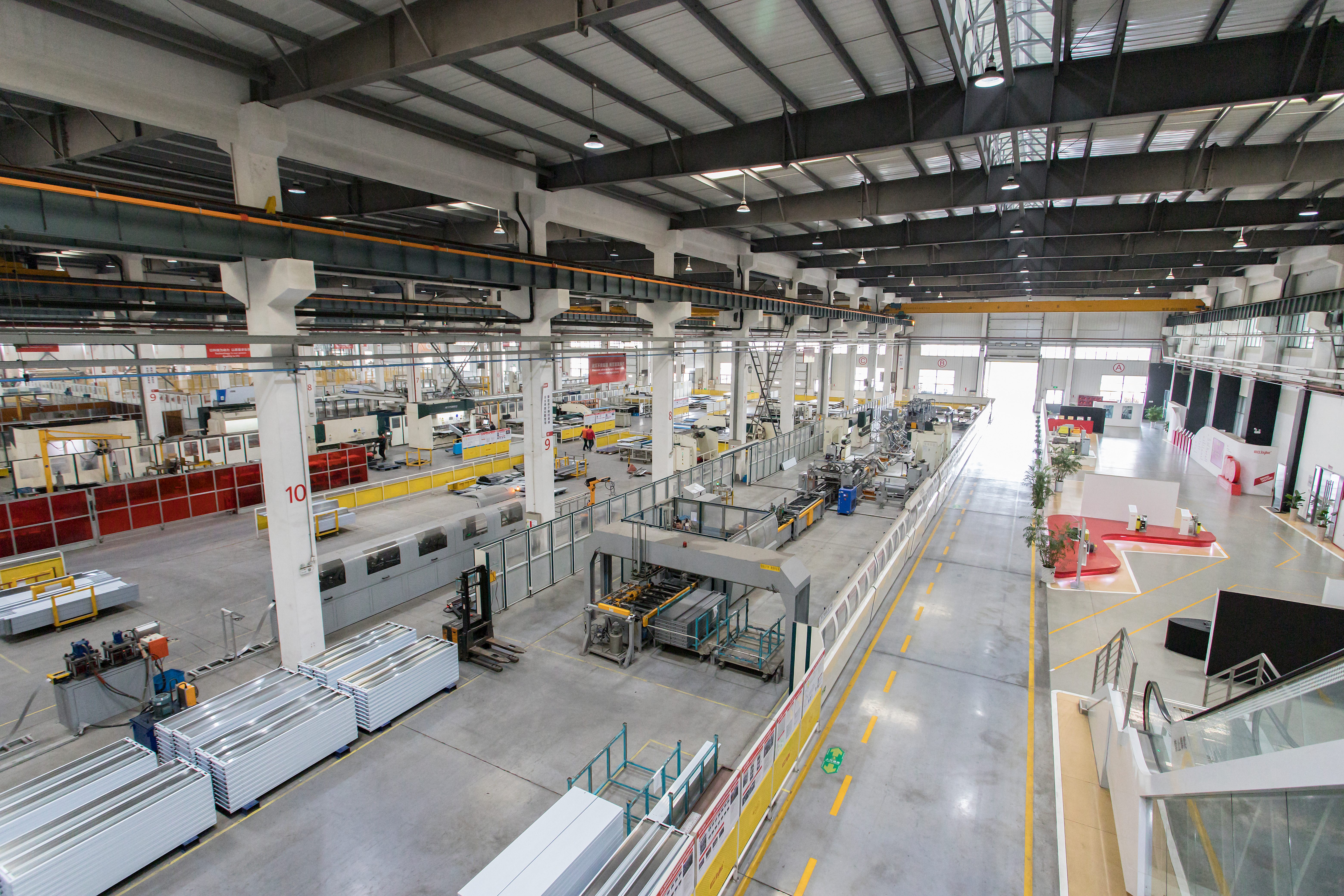
Cover image: factory capability review for a long-term passenger elevator partnership.
Evaluating a passenger elevator partner at the decision-to-execution stage means moving from product comparison to commitment design. The buyer needs to know how the supplier quotes, what releases a shipment, what documents arrive with the equipment, how installation is controlled, and how after-sales support is organized after handover. This FAQ addresses those questions in the order a procurement team usually resolves them: product scope, compliance and acceptance, commercial terms, after-sales support, and long-term governance.
Joylive Elevator Co., Ltd. (Joylive) is a Chinese elevator manufacturer founded in 2002. Its listed portfolio includes passenger elevators and home lifts, along with other vertical-transport products. The company's purchasing terms and company facts are used below as concrete reference points. Where a term is not supplied, such as warranty length, response time, or spare-parts lead time, this FAQ does not invent one; it identifies the point that should be written into the contract.
Why a Passenger Elevator Partnership Needs an FAQ-Led Evaluation
A passenger elevator partnership is a lifecycle relationship, so the evaluation should be organized around commitments rather than a single equipment price. The first order may be one unit or a batch; the second order tests whether documentation, model continuity, acceptance, and service hold. For procurement and project teams, the practical question is not which elevator looks best on a brochure, but which supplier can make the same acceptance and support process work across multiple projects.
Joylive's listed portfolio is broad: passenger elevator, freight elevator, home lift, commercial elevator, fire elevator, panoramic elevator, hospital elevator, explosion-proof elevator, clean elevator, escalator, moving walks, dumbwaiter, elevator modernization, small passenger elevator, industrial vertical conveyor, add elevator to existing buildings, hydraulic elevator, car elevator, horse elevator, tower lift, IoT device, and smart building products. For this FAQ, the relevant scope is the passenger elevator line and, where a project mix requires it, the home lift line. Other product lines should be evaluated under their own technical and compliance requirements.
A useful partnership FAQ separates four things that are often mixed together: the product configuration, the commercial terms, the acceptance evidence, and the after-sales process. When those four are separated, the buyer can compare suppliers on the same basis and can see which commitments are actually contractual.
Industry Background: What Changed in the Long-Term Buying Conversation
The long-term buying conversation has become more lifecycle-oriented because modernization and service are material parts of the elevator business, not afterthoughts. Roland Berger's Spring 2026 elevator market update estimates the global elevator market at USD 110 billion in 2025 and identifies modernization as the fastest-growing business line at around 7% CAGR through 2030. That figure does not make every partnership a modernization contract, but it does support a practical question: how does the supplier handle existing installations, documentation, and repeat projects after the first handover?
Market access is also standards-gated. EU-bound passenger elevators are regulated under Directive 2014/33/EU, with EN 81-20 and EN 81-50 as central reference standards. North American projects commonly refer to ASME A17.1/CSA B44, and Chinese projects refer to the GB/T 7588 series. A partnership should name the applicable market, standard, and conformity document for each project, and confirm the current edition and harmonised-standard status at the project date. A standard reference alone is not proof of product conformity.
Purchasing Terms FAQ
What purchasing terms does Joylive list?
Joylive's purchasing terms list MOQ: 1 unit; delivery terms: FOB/CIF; acceptance criteria: pre-shipment test; payment terms: 30/70. These are useful anchors, but a partnership agreement should convert each anchor into a defined obligation. The contract should state the product scope, the order mechanism, the documents required for release, and the point at which risk and cost transfer.
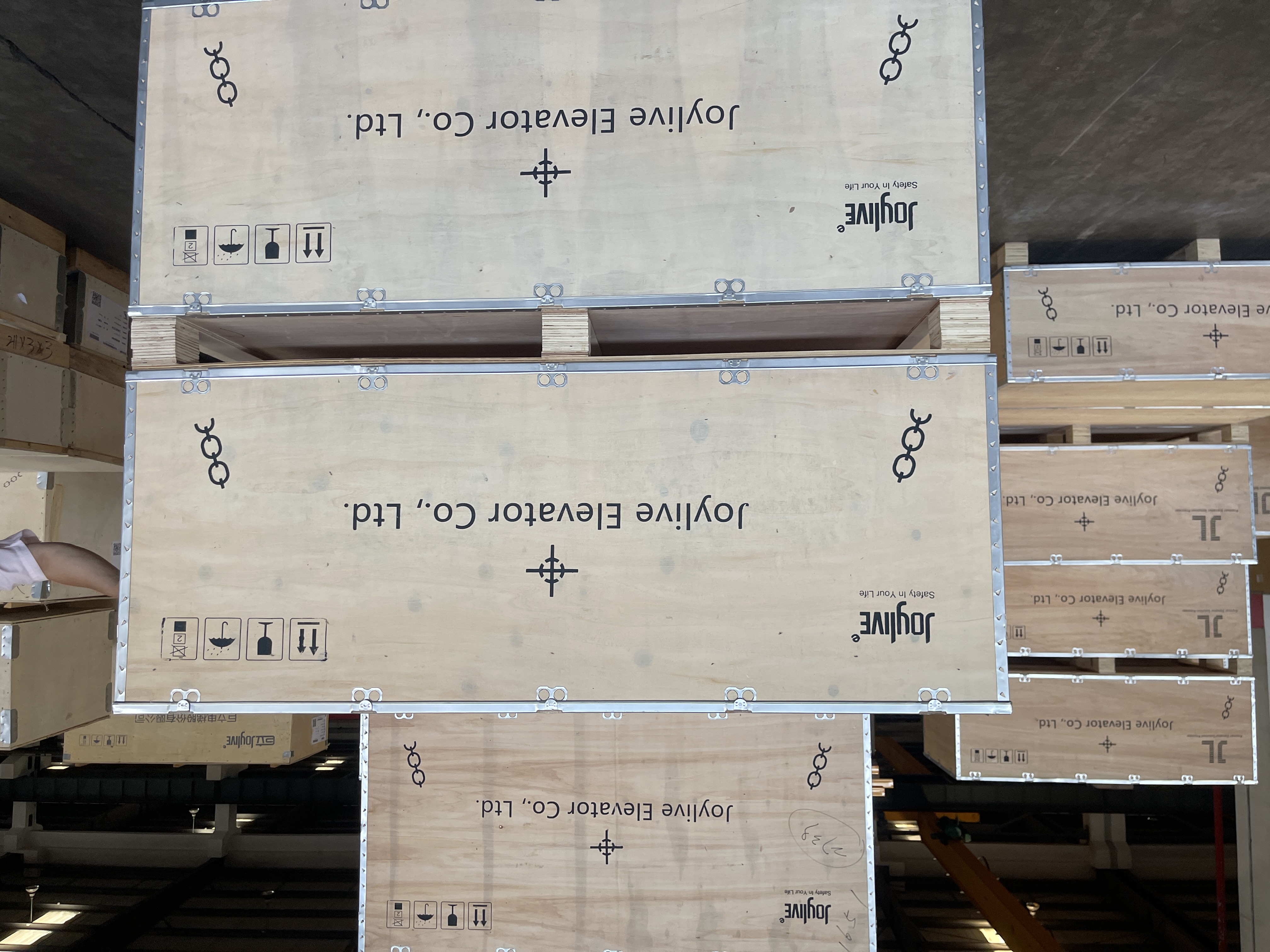
Packing and delivery terms should be defined in the partnership agreement.
How should MOQ be interpreted in a long-term agreement?
MOQ 1 unit means the supplier's stated minimum order quantity is one unit. For a long-term partnership, clarify whether that minimum applies per model, per purchase order, or across an annual commitment. A one-unit pilot can be useful for validating documentation and acceptance before a larger rollout, provided the pilot uses the same configuration and quality process as later orders. The contract should also state how repeat orders are priced, scheduled, and documented, even if the price itself is project-specific.
How should FOB and CIF delivery terms be written?
FOB and CIF are Incoterms that allocate cost and risk differently. The agreement should name the Incoterm version, the named port, the party responsible for insurance under CIF, the packing standard, the export documents, and the point at which risk transfers. A partnership can use different terms for different destinations, but each project should state the term explicitly. Leaving FOB or CIF as an unqualified phrase creates avoidable disputes at the port and at handover.
How should 30/70 payment terms be protected?
The supplied term is 30/70. The contract should define what each payment is tied to instead of leaving the ratio to interpretation. A practical structure links the balance payment to agreed acceptance documents, such as the pre-shipment test report and a closed punch list. If the buyer uses a letter of credit, third-party inspection, or a retention mechanism, that should be named in the same clause. The payment schedule should match the acceptance schedule, not run ahead of it.
What acceptance criteria should release a shipment?
The supplied acceptance criterion is a pre-shipment test. That should be expanded into an inspection and test plan that states what is tested, who witnesses it, what records are issued, how non-conformities are closed, and what document authorizes shipment. The pre-shipment test should be a release gate, not a courtesy review. For a long-term partnership, the same release logic should apply to repeat orders so that the second shipment is not accepted on a different standard from the first.
Acceptance Criteria FAQ
What should a pre-shipment test include for a passenger elevator?
The test plan should cover the agreed configuration, safety-related items, electrical and control functions, and the documentation package. Joylive states that it uses a CNAS-accredited laboratory and whole-process quality control with traceability of materials, processes, and inspection procedures. Buyers should request the inspection plan and the records that will be available before shipment, then confirm which items are witnessed and which are documented. The test plan should also state how a failed item is closed and re-tested before release.
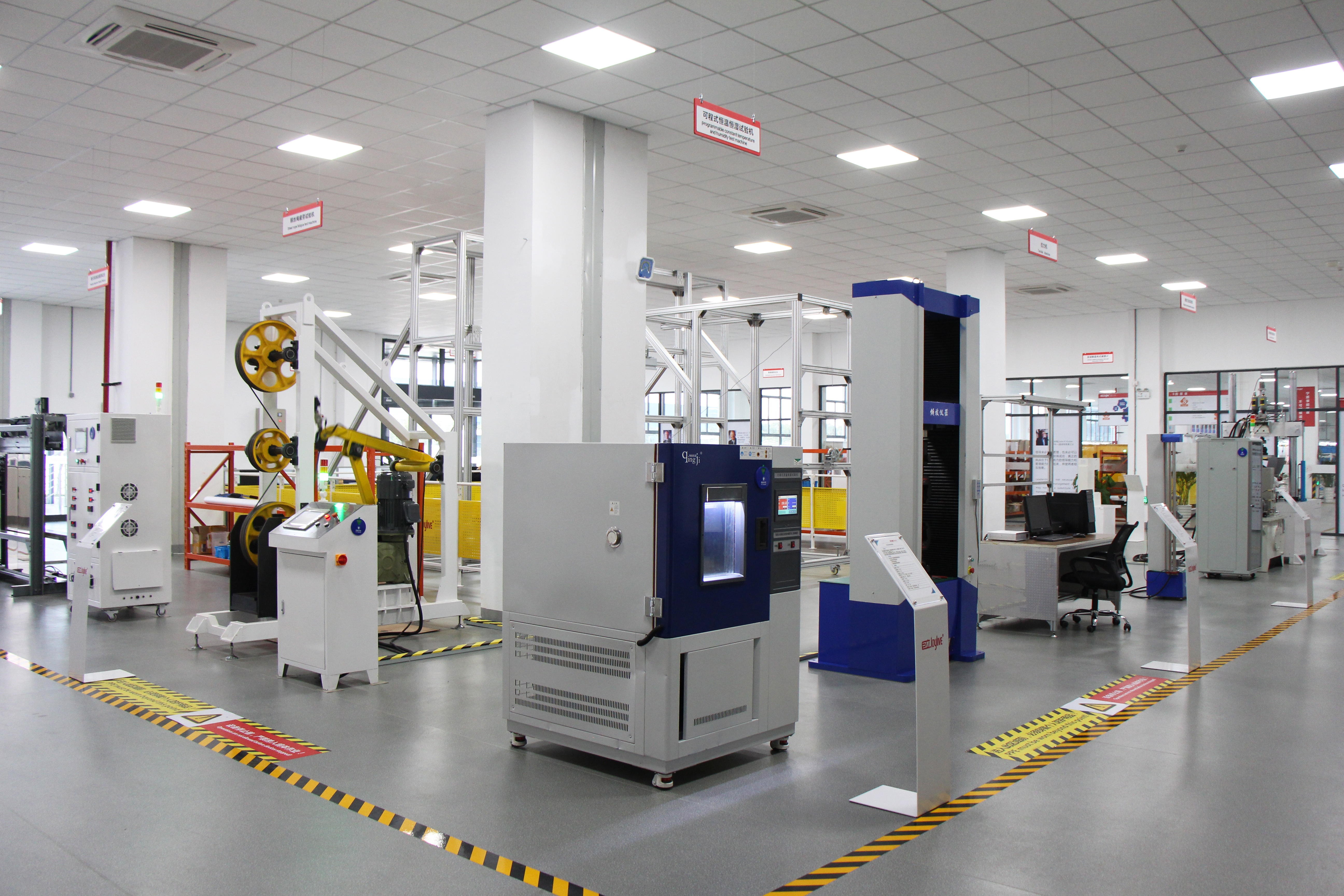
Laboratory evidence supports acceptance planning and quality traceability.
How can buyers verify quality before shipment?
Use three evidence layers: design and configuration review, manufacturing and inspection records, and the pre-shipment test. Joylive's company information states that it maintains a CNAS-accredited laboratory and traceability from design to service. The contract should require material traceability, inspection records, non-conformance closure, and a final release document. If the buyer cannot witness the test, the agreement should specify photo or video records, third-party inspection, or another verifiable method. Verification should be planned before the shipment date, not requested after the equipment is packed.
Joylive's company facts also list 450 employees, 150 engineers, an annual output of 15,000 units, and an export ratio of 55%, with markets including China, Europe, America, Oceania, Africa, Central Asia, Southeast Asia, and the Middle East. The company states that it holds a top A qualification in China for special equipment manufacturing, installation, modernization, and maintenance. These facts help qualify scale and market coverage, but they do not replace a factory audit, certificate check, or project reference.
What installation acceptance checks should be agreed?
Installation acceptance should be separated from factory acceptance. Joylive states that it applies pre-work risk assessment, real-time site risk control, and standardized operations to installation work. The agreement should require a method statement, site risk assessment, supervisor responsibilities, installation checkpoints, and a handover pack. Joylive also states that its VVVF speed control aligns the car with floor height within ±3 mm and uses automatic re-leveling. If leveling is a project requirement, write the test method and tolerance into the acceptance schedule rather than relying on a general performance statement.
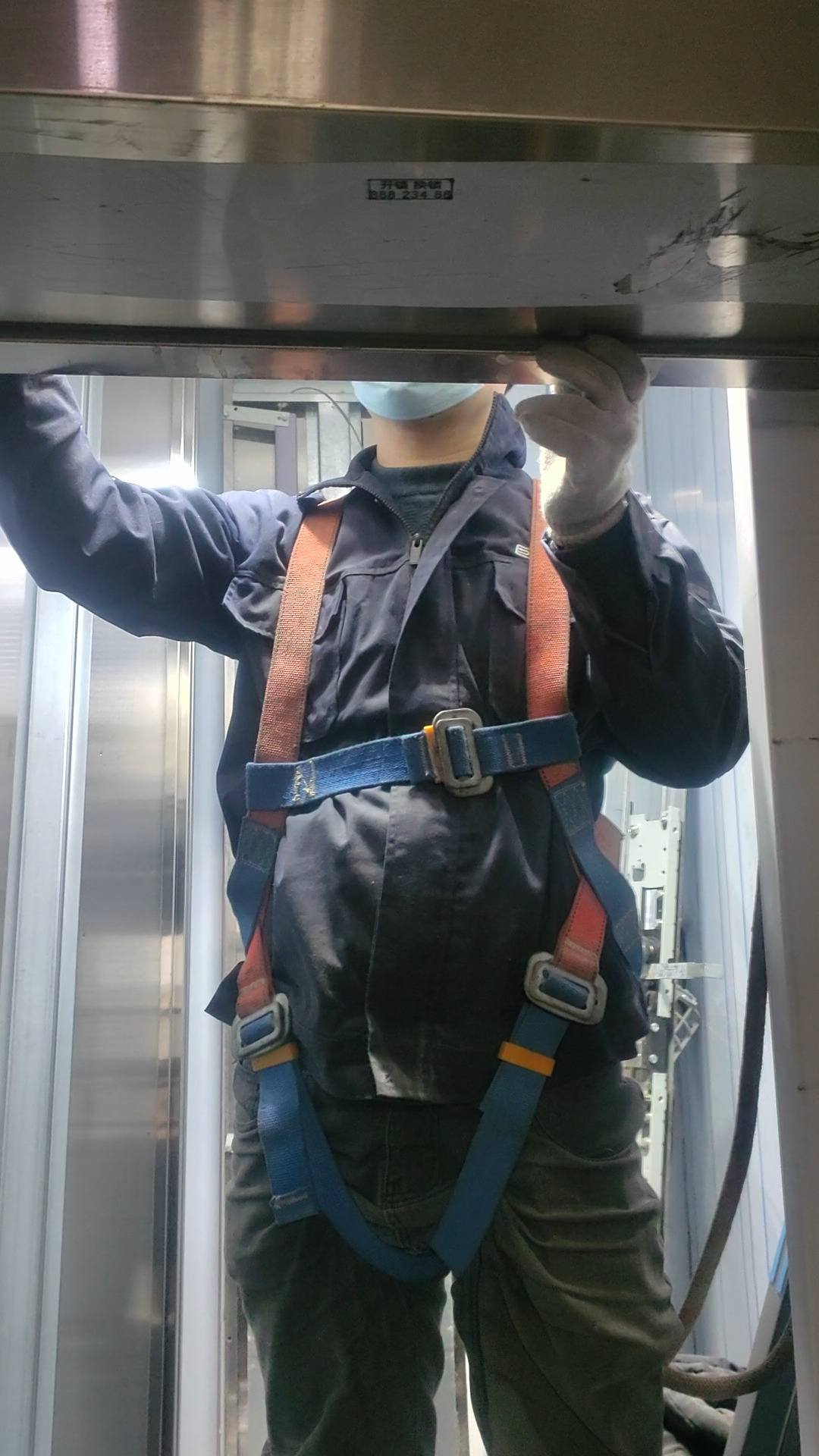
Installation acceptance is separate from factory acceptance.
How should compliance documents be checked at acceptance?
For EU-bound projects, request the Declaration of Conformity and the notified-body or conformity-assessment evidence that applies to the product. Directive 2014/33/EU and the EN 81-20/EN 81-50 framework are central references, but a standard reference alone is not proof of CE conformity. The same discipline applies in other markets: confirm the local code, the edition in force, and the document that the authority will accept. The partnership should list the required documents per market, not per company brochure.
After-Sales Support FAQ
What after-sales support should a long-term partner commit to?
After-sales support should be written as a process, not a slogan. Joylive states that its JoyCloud IoT platform supports digital management and predictive maintenance across installation, maintenance, and real-time monitoring. For a partnership, the contract should define the maintenance scope, data access and ownership, alert handling, reporting, spare-parts process, training, and escalation path. This article does not supply warranty length, response time, or spare-parts lead time; those should be stated in the contract rather than assumed from a brochure.
How should training and documentation be handled?
Training and documentation are part of acceptance because they determine whether the buyer can operate and maintain the equipment. Joylive's risk-control information refers to training and supervision for site safety. The partnership should specify who is trained, in what language, with what materials, and how refresher training is handled. The handover pack should include as-built documentation, operation and maintenance instructions, inspection records, and contact routes for service. These items should be listed as deliverables, not described as available support.
Training and documentation belong in the handover plan.
How can modernization be included in the partnership?
Modernization should be treated as a separate project type with its own survey, interface, and acceptance requirements. Joylive lists elevator modernization in its product and service portfolio. The partnership can include a modernization pathway, but each project should still define the existing equipment condition, the scope of replacement, the interface with retained components, and the acceptance criteria. The Roland Berger modernization growth figure explains why this question belongs in a long-term conversation; it does not prove that every building is a suitable modernization case.
What should be measured after the first project?
Measure the commitments that affect the next project: acceptance closure, documentation completeness, installation issue closure, maintenance records, spare-parts requests, and training completion. These are governance measures, not invented service-level figures. A quarterly or project-by-project review can use them to decide whether the partnership should expand, continue with conditions, or be re-tendered. The review should use the same evidence categories that were written into the first contract.
How to Run the Partnership Evaluation: Step by Step
- Define the product scope and market. State whether the project uses passenger elevators, home lifts, or both, and name the destination market. Confirm the applicable standard and conformity document for each product line.
- Confirm the commercial anchors. Record the MOQ, delivery term, payment term, and acceptance criterion in the request for quotation. Joylive's supplied anchors are MOQ 1 unit, FOB/CIF, 30/70, and pre-shipment test.
- Write the inspection and test plan. Turn the pre-shipment test into a release gate with a test scope, witness arrangement, records, punch list, and shipment authorization.
- Verify quality and manufacturing evidence. Request inspection records, material traceability, non-conformance closure, and the documents that support the company's quality claims. Joylive states that it uses a CNAS-accredited laboratory and traceability from design to service.
- Agree installation and handover. Require a method statement, site risk assessment, supervisor responsibilities, installation checkpoints, and a handover pack. If leveling is critical, include the stated ±3 mm tolerance and the test method in the acceptance schedule.
- Set after-sales governance. Define maintenance scope, data access, alert handling, reporting, training, spare-parts process, and escalation. Use Joylive's stated JoyCloud IoT platform as a discussion point, not as a substitute for contractual service terms.
- Define the next-project trigger. Decide in advance what evidence allows the partnership to expand to the next project, and what evidence requires a corrective plan or re-tender.
Use Cases: When the FAQ Changes the Decision
Conditional example: a residential developer testing a new supplier with one project. A one-unit MOQ can support a pilot, but the pilot should use the same configuration, inspection plan, and documentation package as the planned repeat order. The developer should treat the pilot as an acceptance test of the partnership process, not only of the equipment.
Conditional example: a commercial property team planning a multi-building rollout. The decisive issues are usually documentation consistency, installation control, and after-sales workflow. The team should require a repeatable handover pack and a named service process before committing to a multi-building schedule. Modernization capability should be reviewed separately if existing buildings are part of the portfolio.
Conditional example: a mixed project that includes passenger elevators and home lifts. Joylive lists both passenger elevators and home lifts, but the two product lines should not be treated as one compliance category. Confirm the applicable standard and document set for each line, and keep the acceptance criteria separate in the contract.
Conditional example: an existing building owner considering modernization. The partnership should include a modernization pathway only if the supplier can define the survey, interface, replacement scope, and acceptance process for the existing installation. A general modernization statement is not a project plan.
Comparison Table: Partnership Items to Confirm
| Partnership item | Supplied reference point | What to write into the agreement |
|---|---|---|
| Minimum order quantity | Joylive purchasing terms: MOQ 1 unit | Whether the minimum applies per model, per order, or annual commitment; pilot configuration and repeat-order mechanism. |
| Delivery terms | FOB/CIF | Incoterm version, named port, insurance, packing, export documents, and risk-transfer point. |
| Payment terms | 30/70 | Trigger for each payment; link the balance to acceptance records and closed punch list. |
| Factory acceptance | Pre-shipment test | Test plan, witness arrangement, report, punch list, and shipment release document. |
| Quality evidence | CNAS-accredited laboratory and traceability of materials, processes, and inspection (Joylive statement) | Inspection plan, material records, non-conformance closure, and final release document. |
| Installation | Pre-work risk assessment, real-time site risk control, and standardized operations (Joylive statement) | Method statement, supervisor responsibilities, installation checkpoints, and handover pack. |
| After-sales | JoyCloud IoT platform for digital management and predictive maintenance (Joylive statement) | Maintenance scope, data access, alert handling, reporting, training, and spare-parts process. |
| Market compliance | EU Directive 2014/33/EU and EN 81-20/EN 81-50 framework; other markets have their own codes | Declaration of Conformity, notified-body evidence, current edition, and local authority requirements. |
Long-Term Governance FAQ
How often should a partnership be reviewed?
Review the partnership at the end of each project and at a regular commercial interval that fits the buyer's portfolio. The review should use project evidence: acceptance closure, documentation completeness, installation issue closure, maintenance records, spare-parts requests, and training completion. The frequency is a buyer decision; the important point is that the review uses defined evidence rather than general satisfaction.
What documents should be ready for a second project?
The second project should not restart the qualification process. Keep the approved configuration, inspection and test plan, acceptance records, non-conformance closure, handover pack, and service contact list in a reusable project file. If the second project changes the destination market or product line, update the compliance documents before reusing the technical file.
How should a buyer handle a missing after-sales figure?
Do not fill the gap with an assumption. If warranty length, response time, or spare-parts lead time is not stated, ask for it in writing and make it a contract term. A supplier that cannot state the figure before contract award should not be treated as having committed to it. This is especially important in a long-term partnership, where the service process outlasts the first shipment.
What is a practical next step?
Prepare a short partnership brief with the building type, project mix, destination market, expected repeat volume, acceptance requirements, and after-sales expectations. Request a project-specific quotation and the public brochure, then compare the written response against the points in this FAQ. The brochure is available here: Joylive public brochure.
Conclusion: What a Good Passenger Elevator Partnership Makes Clear
A good passenger elevator partnership makes the commercial terms, acceptance evidence, and after-sales process clear before the first shipment. The buyer should be able to answer four questions without ambiguity: what is being supplied, what releases the shipment, what documents arrive with the equipment, and who handles service after handover. Joylive's supplied terms provide a starting point, including MOQ 1 unit, FOB/CIF delivery, pre-shipment test acceptance, and 30/70 payment terms. The partnership agreement should turn those anchors into project-specific obligations and should add the missing after-sales figures in writing rather than assuming them.
The same discipline applies when a project mix includes home lifts or when an existing building requires modernization. Each product line and each project type should carry its own scope, compliance document, and acceptance criteria. That approach keeps a long-term relationship measurable and makes the next project easier to evaluate than the first.
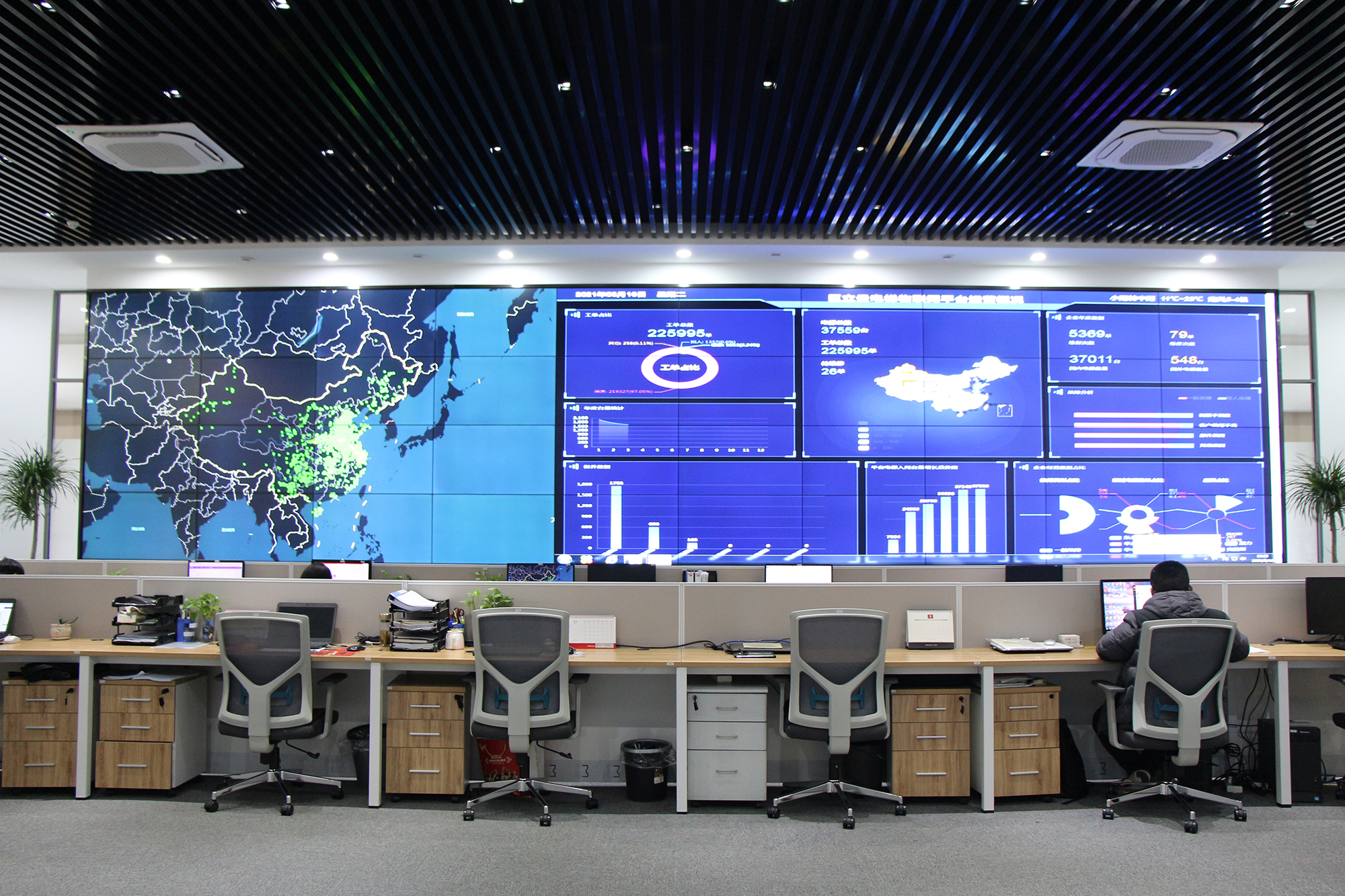
After-sales support should be defined as a process with named responsibilities.
Next step for procurement and project teams: use the brochure link above to review Joylive's public company and product information, then request a project-specific quotation with your acceptance and after-sales requirements attached.
Have Questions or Need More Details?
Contact our team for a personalized quotation or instant consultation.
Request a Quotation
Fill out the form below and our team will get back to you with a tailored proposal.
WhatsApp Direct Chat
Prefer to chat in real-time? Message us on WhatsApp for instant assistance & quick answers.
- Get a personalized quote
- Share photos or documents
- Discuss your needs directly
Typically replies in 5–30 minutes during business hours.