
Small Machine Room Elevator Partnerships: Agreeing Long-Term Service
Upfront
A small machine room elevator is specified once and then maintained, inspected and repaired for a period far longer than the procurement phase itself. Price, rated load, car finish and delivery schedule dominate the negotiation, yet the clauses that decide how the equipment behaves in year five are usually the thinnest part of the contract: documentation, spare parts, maintenance responsibility and a named route for technical escalation.
The practical position is simple. Agree the service model at the same time as the equipment specification, and write it into the purchase order rather than into a separate goodwill letter. For a compact machine room elevator in a residential, hotel, low-rise commercial or retrofit project, the questions repeat: who holds the drawings, who stocks the parts, who signs the maintenance record, and who is called when the controller shows a fault at the wrong moment.
This guide sets out what buyers should settle before the first unit ships, using the service-relevant facts of Joylive Elevator Co., Ltd. as a reference point. It separates what a supplier can state in writing from what must be negotiated case by case, and it does not promise specific response times or warranty terms, because those are commercial decisions that belong in each project agreement.
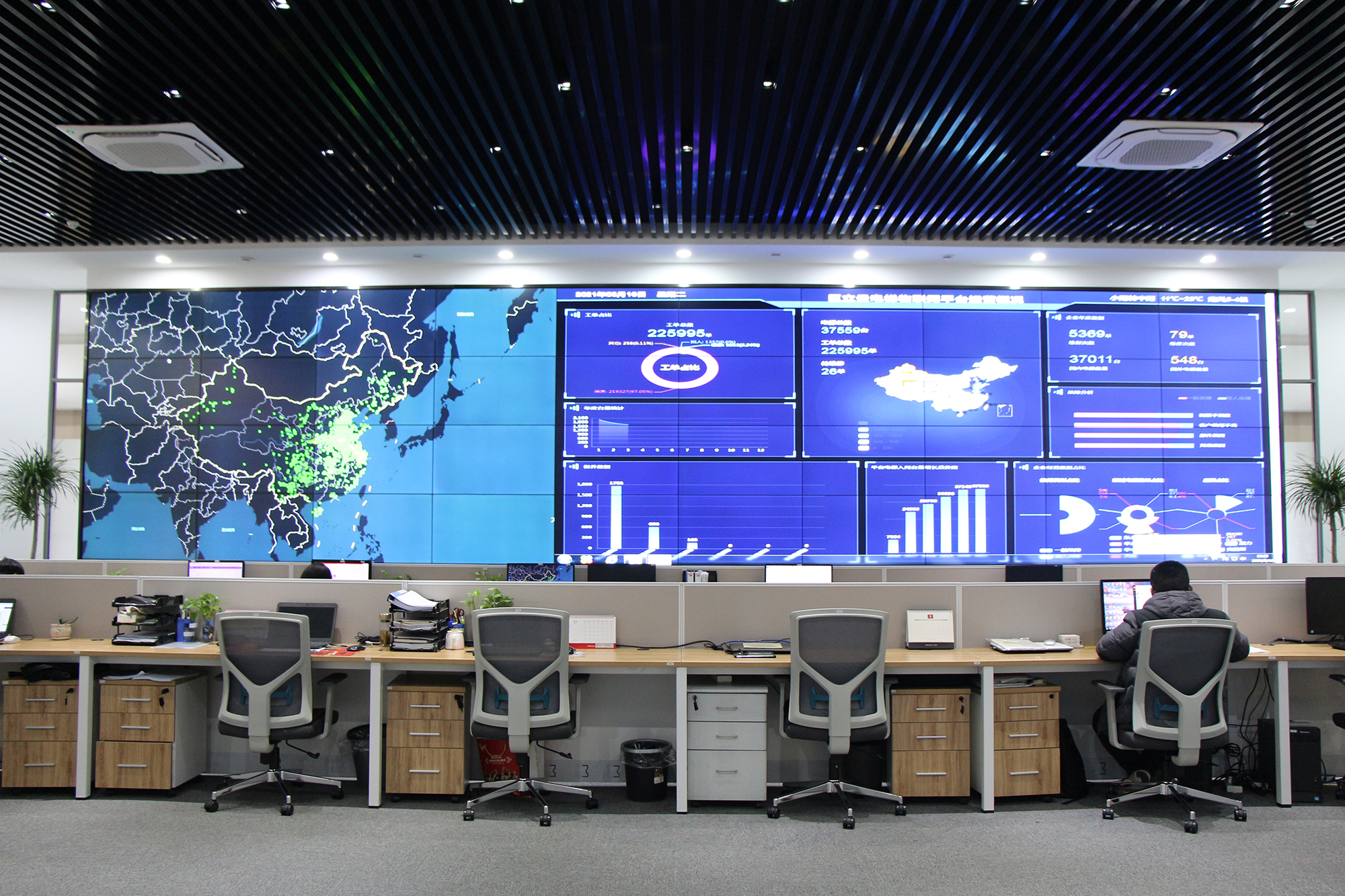
Service Center: the after-sales side of a small machine room elevator partnership is planned before shipment, not after handover.
Why Long-Term Support Is the Weak Point in Small Machine Room Projects
Space-saving design pushes the machine room toward the minimum footprint the configuration allows. The compactness that makes the design attractive also removes slack. Working space, lighting, ventilation and lifting points for heavy components have to be designed in, because they cannot be added later without civil work and a shutdown.
EN 81-20 and EN 81-50, effective from 2017, require a minimum of 200 lux at floor level in machine room work spaces in the European Union. The figure is useful beyond Europe as a benchmark: it makes the point that maintenance conditions are a design deliverable, not something a technician negotiates on site with a torch and an extension lead.
Three gaps recur across small machine room projects:
- Responsibility gap. The manufacturer, the local installer and the building owner each assume another party holds the maintenance obligation. Nobody does until a failure forces the question.
- Documentation gap. As-built drawings, wiring diagrams, controller parameter records and component lists exist in someone's inbox rather than in a controlled handover dossier.
- Parts gap. No agreed list separates wear items, commercially available components and project-specific parts, so every repair begins with a search.
Each gap is inexpensive to close before shipment and expensive to close afterwards. That asymmetry is the reason service terms belong in the purchase order.
A Growing Installed Base Turns Service Into a Procurement Question
The global elevators market was valued at USD 82.4 billion in 2025, according to Grand View Research. Traction elevators, the family that includes small machine room and machine-room-less configurations, held the largest revenue share at 55.1% in 2025, and Asia Pacific accounted for 41.7% of revenue in the same year. The direction of travel is clear: more installed units, longer service lives, and more decisions taken after the original construction contract has closed.
Two commercial pressures follow. First, component pricing can move independently of the equipment price. Rare-earth magnets used in permanent-magnet motors increased in price by more than 20% in 2025, according to Mordor Intelligence, which is exactly the kind of input-cost movement that makes an open-ended spare parts promise unreliable for both sides of a contract. Second, cross-border parts supply needs consistent paperwork: HS code 842810 covers passenger or freight elevators other than continuous action, and buyers should expect to see consistent classification and documentation on equipment and related shipments.
For the buyer, the conclusion is that a small machine room elevator partnership should be structured as a multi-year supply relationship with explicit terms, not as a one-off equipment purchase followed by an informal understanding about support.
What a Service-Ready Small Machine Room Elevator Partner Provides
Joylive Elevator Co., Ltd. (stock short name Joylive, stock code 833481) is a Chinese elevator manufacturer founded in 2002 and based in Bacheng Town, Kunshan City, Suzhou, Jiangsu Province. The company produces passenger, freight, home, commercial, panoramic, hospital, explosion-proof and clean elevators, escalators, moving walks, dumbwaiters, modernization packages and small passenger elevators, and serves markets including China, Europe, America, Oceania, Africa, Central Asia, Southeast Asia and the Middle East.
The facts that matter when a buyer is assessing long-term service capacity rather than a single shipment:
- A manufacturing base of 105,000 m² with 450 employees, including 150 engineers, and an annual output of 15,000 units.
- A top A qualification in China for special equipment manufacturing, installation, modernization and maintenance.
- A nationally accredited CNAS laboratory and 100% product testing before shipment.
- Monthly capacity of 1,250 units, a minimum order quantity of 1 unit, and a stated production lead time of 7 to 45 days.
- OEM/ODM customization covering speed, load, travel height, car size, car decoration and logo.
- After-sales support described as online and offline technical support with a 24/365 hotline.
- IoT device and Joycloud connectivity in supported configurations.
These facts matter because service capability is usually a by-product of manufacturing discipline. A supplier that tests every unit, holds both installation and maintenance qualifications and operates an accredited laboratory has a documented baseline it can hand over. What no capability list can do is define the project-specific boundary between factory work and local work. That boundary is the buyer's job at contracting stage, and it is covered by the five areas below.
Five Areas to Agree Before the Order Is Placed
1. Service scope and responsibility allocation
Define which tasks sit with the factory, which with the local installer or service partner, and which with the building owner. Installation, commissioning, routine maintenance, repair, statutory inspection support, modernization and spare parts supply are separate lines, not one bundled obligation. Ambiguity here is the most common single source of dispute in compact machine room projects, because the equipment is small enough that each party assumes the others can handle it.
2. Documentation dossier
List the handover package as a deliverable in the purchase order, with format, language and revision control. A workable minimum includes as-built machine room and shaft layout drawings, electrical schematics and wiring diagrams, controller parameter records with software version notes, a bill of materials with model references for serviceable components, test and inspection records, operation and maintenance instructions, and a contact and escalation chart.
Add an obligation to update the dossier after any modification, and state who holds the master copy. A building that changes service provider without a current dossier restarts its learning curve from zero, and every future repair costs more.
3. Spare parts strategy and pricing rules
Split parts into three classes and treat each one differently. Wear items are replaced on a predictable cycle: door rollers, guide shoes, push buttons and landing sills. Commercially available components include drives, door operators and controllers. Project-specific items cover traction machine parts and custom car components.
For each class, agree what is stocked at handover, what is ordered on demand and what the price basis is. A recommended initial spare set supplied with the first unit is almost always cheaper than an emergency purchase later, and price validity should be stated explicitly, particularly where permanent-magnet machines are involved, given the raw-material volatility noted above.
4. Maintenance regime, access and machine room conditions
Specify maintenance frequency, task list, record format and who signs off the record. Then specify the conditions the building must maintain: safe access, lighting, ventilation, cleanliness and no unauthorized storage in the machine room. Where EN 81-20 and EN 81-50 apply, the 200 lux floor-level requirement is a concrete reference point. A compact room leaves very little tolerance for stored materials or blocked access panels.
5. Governance, escalation and periodic review
Name the contacts on both sides, the information required when reporting a fault, and the escalation owner. Set a review interval, typically annual, to examine call-out records, parts consumption and condition trends, and to plan modernization before failures force it. Joylive's stated online and offline technical support and 24/365 hotline provide the factory channel; the agreement should state how that channel is used, by whom and with what information, rather than merely noting that it exists.
Step-by-Step: Building the Service Package Into the Purchase
- Fix the configuration first. Speed, load, travel height, car size and machine room layout determine which components will need service and which parts are project-specific. Freezing the configuration before discussing service terms prevents scope drift later.
- Draft the responsibility matrix before the price negotiation. Use the table below as a template. Handling responsibility allocation after the price is agreed tends to produce a supplier-friendly default that the buyer discovers only at the first breakdown.
- Attach the documentation list to the purchase order. Treat drawings, schematics, parameter records and parts lists as deliverables with the same status as the equipment itself.
- Define the initial spare parts set and the price basis. Include the wear-part cycle, the critical component list and the validity period of quoted prices.
- Write the maintenance regime and the building-side obligations. Frequency, task list, records, access conditions, lighting and ventilation belong in the same document.
- Agree the review and escalation routine, then run a handover review before final acceptance. Confirm the dossier is complete, the spare set has been delivered and the contact route has been tested with a live query rather than a printed list.
For buyers running a first project with a new supplier, a single-unit order is a legitimate way to test the relationship before committing a portfolio. Joylive's stated minimum order quantity is 1 unit, with a production lead time of 7 to 45 days.
Where the Agreement Differs by Project Type
Residential buildings and apartments
Call frequency is low and the horizon is long, and the property manager may change several times. Documentation durability and a spare parts list that a future manager can read matter more than any single service promise. Small machine room configurations suit residential buildings precisely because the shaft and headroom are constrained, which makes the as-built drawings the most valuable document in the dossier.
Hotels
Guest-facing availability and interior protection dominate. Maintenance access should avoid public areas, and the agreement should cover how work is scheduled around occupancy, how decorative car finishes are protected and who repairs surface damage.
Commercial and office buildings
Higher traffic accelerates door wear and raises expectations about uptime. A larger initial spare set and a shorter replenishment path for the door system are usually justified, and the maintenance regime should reflect actual traffic rather than a generic cycle.
Retrofit and existing-building projects
The documentation gap is inherited: existing drawings may be incomplete, out of date or simply wrong. Budget for a survey and for producing a new as-built dossier, and state in the agreement who owns that work, because it is the one deliverable most often assumed to be free.

Retail and commercial sites raise the cost of unplanned downtime, which shifts the emphasis from response promises to agreed maintenance practice and stocked parts.
Multi-year operation is the point of these clauses. Joylive reports stable operation at projects including 87 passenger and freight elevators supplied to Pegatron in Vietnam over a two-year period, 36 units at Wistron over five years, and 9 units at Inventec in Mexico over one year. These are elevator projects used here as evidence of sustained service relationships across multiple years, not as small machine room specific references.
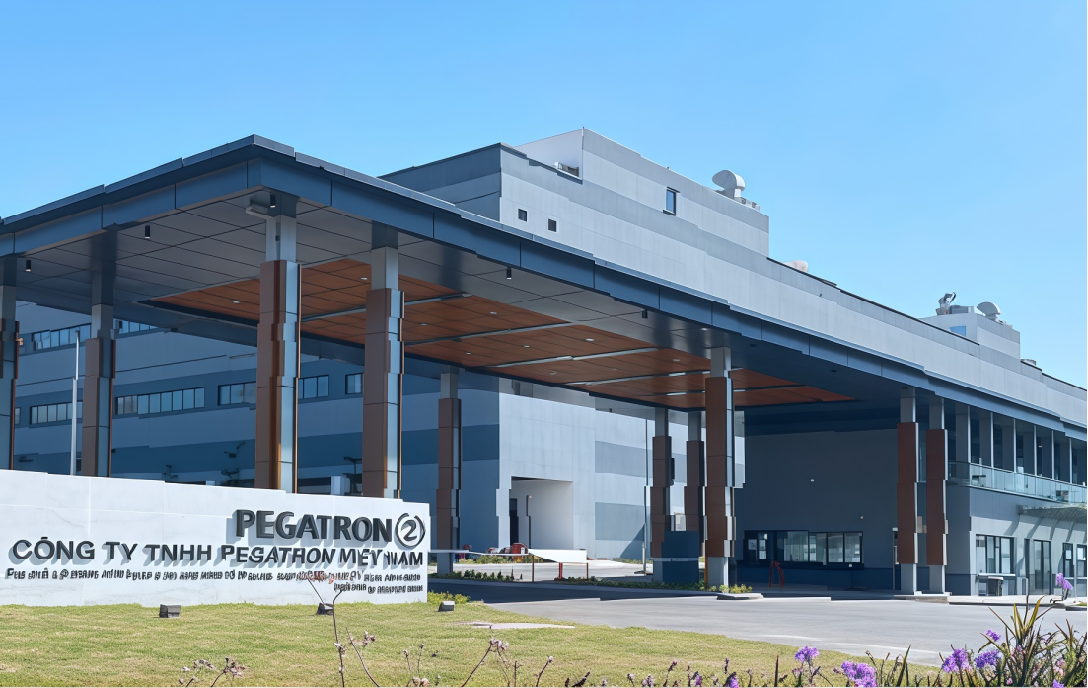
Project reference: 87 passenger and freight elevators supplied to Pegatron in Vietnam, reported in stable operation over two years.
Responsibility Matrix: What to Assign in Writing
| Scope area | Building owner side | Supplier and service partner | What to write into the agreement |
|---|---|---|---|
| Machine room access, lighting and ventilation | Provides and maintains safe access and a clean, lit, ventilated room | Advises on required working space and conditions during design | Drawings confirming working space, plus lighting and ventilation commitments; 200 lux at floor level where EN 81-20 and EN 81-50 apply |
| Routine maintenance and inspection | Funds and schedules the work | Performs or supervises the work through qualified personnel | Frequency, task list, record format and sign-off authority |
| Spare parts | Approves budget and holds critical stock if agreed | Supplies parts list, lead times and price basis | Part numbers by class, initial spare set content, price validity period |
| Documentation | Safekeeps the dossier and passes it to any successor provider | Provides as-built drawings, schematics, parameter records and test records | Deliverable list, format, language, and the duty to update after modification |
| Technical support and escalation | Reports faults with logs and observations | Provides online and offline technical support through the stated channel | Contact route, information required, named escalation owner on each side |
| Modernization planning | Decides timing and budget | Assesses condition and proposes scope | Review interval and the method used to assess remaining life |
The matrix is a starting point rather than a fixed template. Statutory inspection duties vary by market, and local service regulation may move individual lines between parties. What should not vary is the principle that every line has a named owner before the equipment leaves the factory.
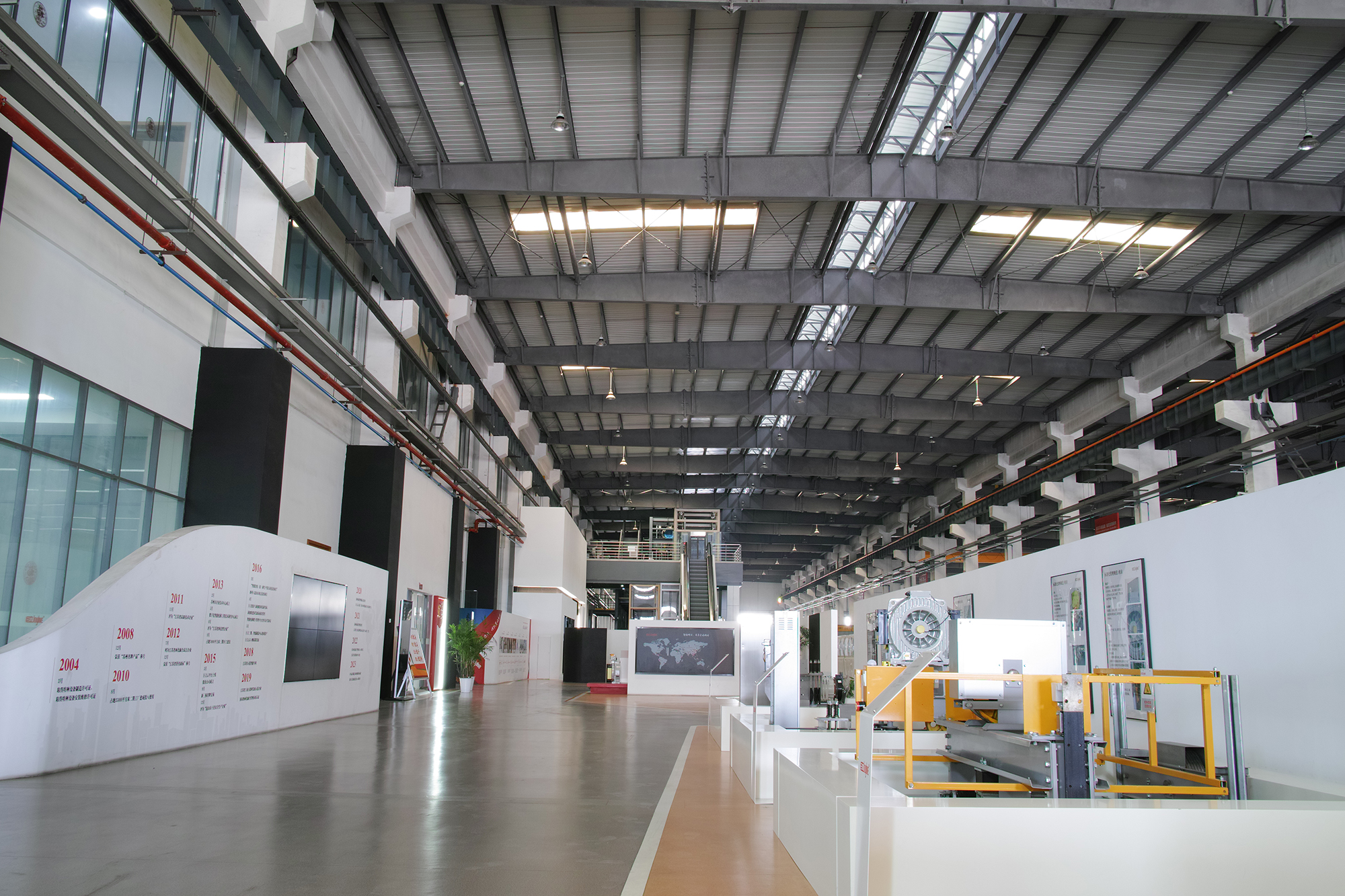
Partner reviews work best when the documentation dossier, parts list and escalation route are on the table together.
FAQ: Small Machine Room Elevator Partnerships and Long-Term Service
1. What documentation should be handed over with a small machine room elevator?
A complete handover dossier covers as-built machine room and shaft layout drawings, electrical schematics and wiring diagrams, controller parameter records with software version notes, a component list with model references, test and inspection records, and operation and maintenance instructions. The list should appear in the purchase order as a deliverable, with format, language and revision control stated. Add a duty to update the dossier after any modification, since a dossier that is not maintained becomes unusable within a few years and forces the next service provider to reconstruct the installation from scratch.
2. Who is responsible for maintenance after handover?
Three models are common: a factory-backed arrangement through an authorized service partner, a local installer-led arrangement in which the manufacturer supplies technical support, and an owner-managed arrangement using a third-party service company with factory support as needed. The model matters less than the documentation of it. The agreement should state who performs each task, who signs the maintenance record and who is contacted first when a fault appears. Joylive provides online and offline technical support and a 24/365 hotline, and the agreement should define how that channel is used rather than assuming it replaces local on-site work.
3. How should a buyer budget for spare parts over the life of the elevator?
Budget in three layers rather than one number. Wear parts follow a predictable replacement cycle and can be forecast from traffic and door operations. Commercially available components such as drives, door operators and controllers should be priced with a stated validity period, because input costs move independently of the equipment price; rare-earth magnets for permanent-magnet motors rose by more than 20% in 2025, which illustrates the risk of an open-ended price promise. Project-specific items should be identified at order stage so the buyer knows what cannot be sourced locally. An initial spare set supplied with the first unit is usually the cheapest way to cover the first failure.
4. Can a buyer validate the service arrangement before committing to a long-term agreement?
Yes, by starting with one unit and running the full process once. Joylive's stated minimum order quantity is 1 unit, which allows a buyer to test the documentation package, the parts list and the escalation route on a single installation before scaling to a portfolio. Every unit is tested before shipment as standard practice, so the validation exercise focuses on handover quality and support responsiveness rather than on the equipment alone. Treat the first project as a pilot with defined review points.
5. How is spare parts lead time handled, and what lead time applies?
Joylive's stated production lead time is 7 to 45 days for elevator units. Spare parts lead time depends on the part class and should be written into the agreement per category rather than assumed from the equipment lead time. The agreement should state how lead times are confirmed, how they are updated when a part is out of stock, and what the buyer does in the interim for critical items such as door operators. Where a firm schedule matters, ask for it in writing with the project schedule attached. Send the building type, floors, rated load, machine room dimensions and target market to [email protected] or WhatsApp +8617805243526 to receive a configuration proposal together with a draft documentation and service scope for review.
Conclusion
The specification decides what a small machine room elevator is. The agreement decides what it becomes after year three. Buyers who settle the responsibility matrix, the documentation dossier, the spare parts classes, the maintenance regime and the escalation route before the order is placed spend far less time reconstructing decisions later, and they give every future service provider the same starting point.
A service-ready partner makes this easier by handing over tested equipment, a documented qualification base and a defined support channel, but it cannot guess the boundary the buyer wants. That boundary has to be written. The five areas and the matrix above are a practical way to start that conversation early, while the commercial leverage is still in the buyer's hands.
Next Step: Configuration, Documentation or Service Scope Review
Send the project details — building type, number of floors, rated load, machine room dimensions and target market — to [email protected] or WhatsApp +86 178-0524-3526. Joylive Elevator Co., Ltd. can respond with a configuration proposal, a documentation list and a service scope for discussion, and the full product catalogue is available to download.
Download the Joylive product catalogue (PDF) | joylivelift.com
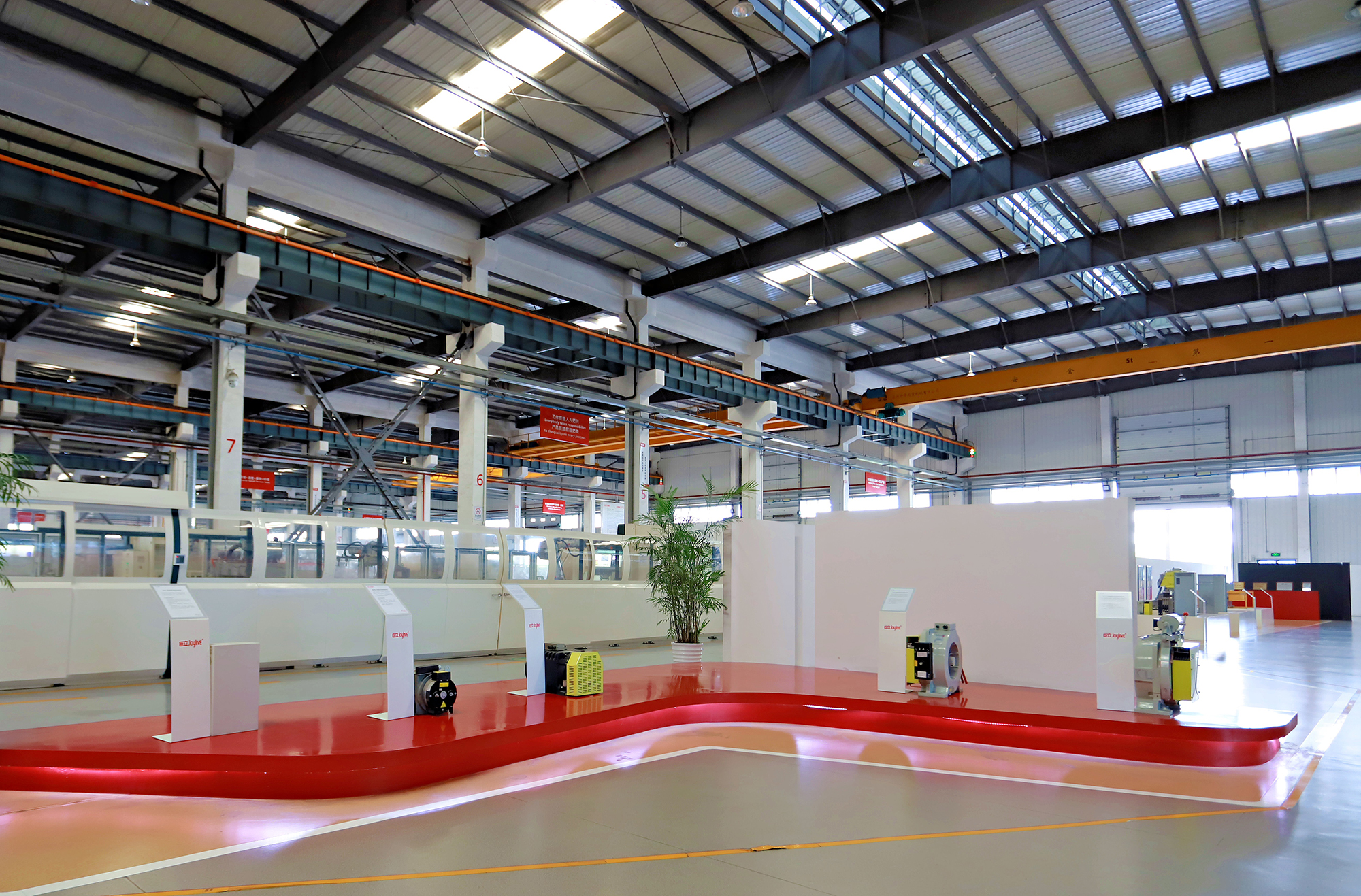
Configuration and service scope are reviewed together, before the purchase order is issued.
Have Questions or Need More Details?
Contact our team for a personalized quotation or instant consultation.
Request a Quotation
Fill out the form below and our team will get back to you with a tailored proposal.
WhatsApp Direct Chat
Prefer to chat in real-time? Message us on WhatsApp for instant assistance & quick answers.
- Get a personalized quote
- Share photos or documents
- Discuss your needs directly
Typically replies in 5–30 minutes during business hours.