
Small Machine Room Elevator vs. Machine-Room-Less Elevator: A Comparison Framework for Retrofits
Small Machine Room Elevator vs. Machine-Room-Less Elevator: A Comparison Framework for Retrofits
A retrofit does not begin with a free choice between a small machine room elevator and a machine-room-less (MRL) elevator. It begins with a shaft that already exists, with a fixed overhead, a fixed pit and a building that is usually still in use. This article sets out a comparison framework built on the four criteria that most often decide the outcome in retrofit projects — layout impact, maintenance access, equipment visibility and project coordination — and grounds every technical statement in verifiable certification and manufacturing facts rather than unsupported performance or cost claims.
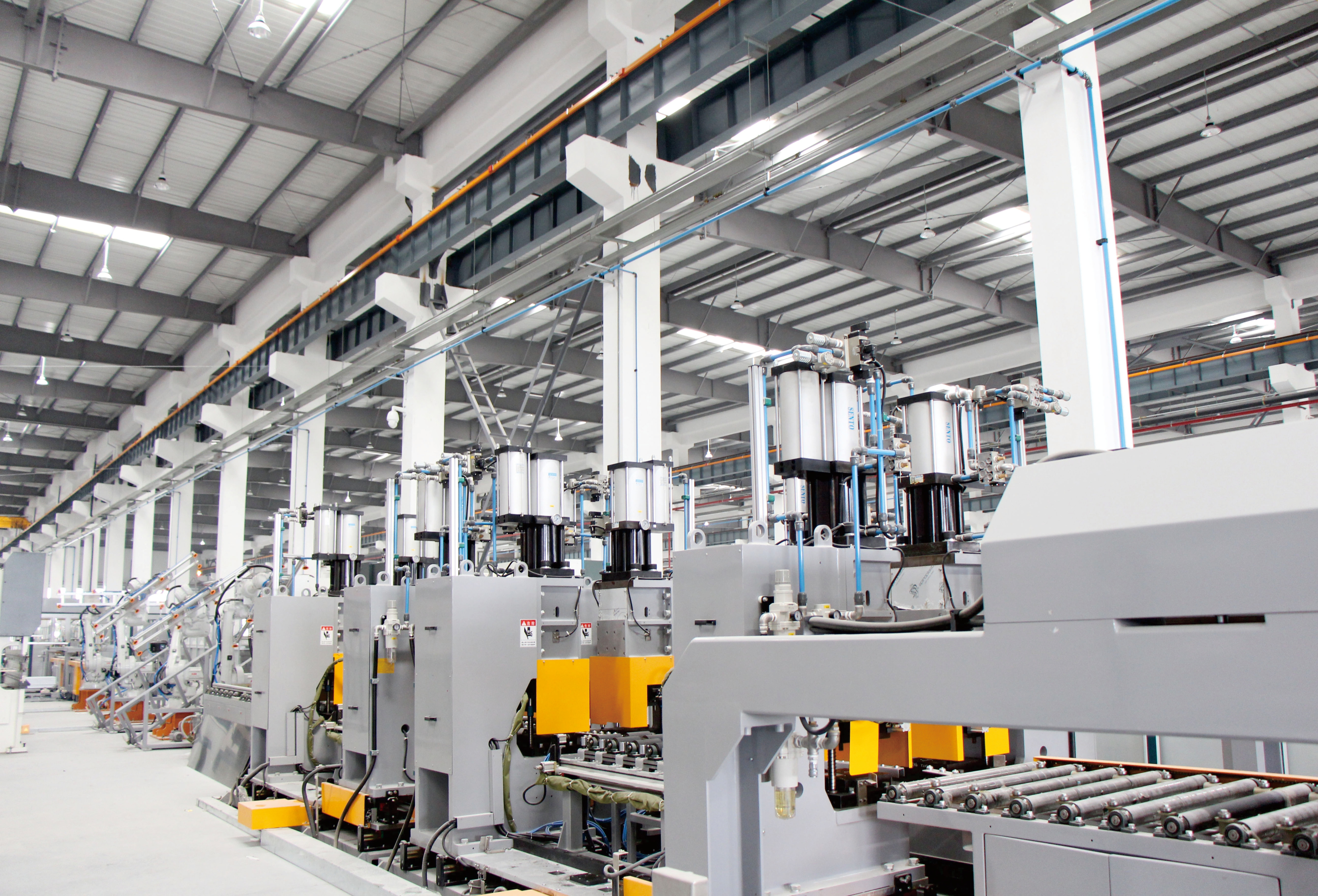
Joylive Elevator Co., Ltd. (stock short name Joylive, stock code 833481) is a China-based elevator manufacturer founded in 2002 in Bacheng Town, Kunshan City, Suzhou, Jiangsu Province. Its product range includes passenger elevators, freight elevators, home lifts, hospital elevators, panoramic elevators, escalators, moving walks and elevator modernization, and its authorized scope of work covers manufacturing, installation, modernization and maintenance — which is precisely why a retrofit comparison has to look beyond the machine itself.
Problem Definition: The Shaft Decides More Than the Specification
In new construction, the machine room question is answered on the drawing board: the designer either reserves a room above the shaft or specifies a machine-room-less layout with sufficient overhead inside the hoistway. In a retrofit, that decision was made by the original building, sometimes decades earlier, and the new installation has to work with it.
Two retrofit routes are normally compared:
- Small machine room elevator — the traction machine remains in a separate but compact machine room. In a retrofit, that room is frequently the existing rooftop room, refurbished and brought up to current requirements.
- Machine-room-less (MRL) elevator — the traction machine is integrated into the hoistway itself. No separate room is required, but the shaft must provide both the running clearance and the access arrangements for the machine.
Before either route can be ranked, the site conditions have to be measured rather than assumed:
- Available overhead height above the top floor landing.
- Hoistway plan dimensions, travel height, number of stops and door openings.
- Whether an existing machine room is structurally sound, correctly positioned and large enough for the replacement machine and controller.
- Pit depth and the condition of existing buffers and pit equipment.
- The access route for delivering the machine, the car and the controller into the building.
- Whether the building can be taken out of service during installation, and for how long.
Terminology caution. Tender and trade documents often use "machine room reduced", "small machine room" and "machine-room-less" as if they described the same layout. They do not. Before comparing quotations, confirm in writing whether a separate room is retained, where the traction machine is physically located, and where the controller will be installed. Two offers that read alike on a specification sheet can describe two entirely different buildings.
Industry Background: Why Retrofit Comparisons Are Getting More Attention
The global elevators market was valued at USD 82.4 billion in 2025, according to Grand View Research's Elevators Market Size, Share & Growth Report, 2026–2033. The same report projects USD 86.3 billion in 2026 and USD 136.9 billion by 2033, a compound annual growth rate of 6.8%. Within that market, the traction elevator segment — the category that includes both small machine room and machine-room-less designs — held the largest revenue share at 55.1% in 2025, and Asia Pacific accounted for 41.7% of elevator revenue in the same year.
Market size figures are not interchangeable between research houses. A separate estimate from IMARC Group places the broader elevator and escalator complex at USD 169.2 billion for the same period; the difference reflects the inclusion of escalators and moving walkways and different valuation methodologies (revenue versus total project value). Such figures are useful as directional context, not as like-for-like comparison.
Two cost-side developments matter for retrofit budgeting. First, rare-earth magnets used in permanent-magnet motors increased in price by more than 20% in 2025, according to Mordor Intelligence's Elevator And Escalator Market Size & Growth to 2031. Because gearless permanent-magnet traction is used in both small machine room and machine-room-less designs, this material movement affects both options rather than separating them. Second, for importers and freight forwarders, HS code 842810 covers "passenger or freight elevators other than continuous action" (Flexport / Descartes Datamyne), which is the classification line under which most complete elevator units move across borders.
Retrofit demand is also reflected in the product scope of mainstream manufacturers. Joylive's range explicitly includes elevator modernization and adding elevators to existing buildings, alongside new passenger, freight, home and hospital elevators.
Detailed Solution: Four Criteria That Decide the Comparison
1. Layout Impact: What Actually Changes in the Building
The first question is not which machine is better, but which layout the building can physically accept. A small machine room layout concentrates the drive equipment in a defined room above the shaft. In a retrofit this generally means refurbishing an existing room rather than creating a new one — lighting, access door, ventilation and the structural interface between the room and the shaft all have to be brought to current requirements.
An MRL layout removes the room from the equation, but it does not remove the space requirement; it relocates it. The hoistway must provide the overhead clearance for the machine and the access arrangement used for maintenance. Where an existing shaft has generous overhead, an MRL design can release the rooftop footprint for other uses. Where overhead is limited, that single constraint is often decisive, regardless of any other advantage.
Because Joylive manufactures on an OEM/ODM basis with customization covering speed, load, travel height, car size, car decoration and logo, the layout discussion normally takes place before the equipment specification is frozen: measurements come first and the configuration follows. It is worth stating plainly that no manufacturer can change the physical limits of a shaft. That is why a site survey should always precede a commercial comparison.
2. Maintenance Access: the Difference Building Owners Feel After Handover
Maintenance access is the criterion that matters most after the project closes. EN 81-20 and EN 81-50, the harmonised lift standards effective from 2017, require a minimum of 200 lux at floor level in machine room work spaces (Designing Buildings Wiki, Lift Standards: EN 81-20 and EN 81-50). A retained small machine room therefore gives service technicians a dedicated, lit and lockable workplace located outside the hoistway.
Machine-room-less designs provide no such room. Maintenance is carried out using hoistway access, with the technician working in relation to the car top and the machine mounted inside the shaft. This is a normal, standards-covered arrangement — but it changes the practical routine, because access to the hoistway has to be controlled and the work happens inside the lift shaft rather than beside it.
For buildings that employ their own maintenance staff, or for facilities where lift downtime has to be short and predictable, that difference carries real operational weight. It should be documented in the tender rather than discovered at the first service visit.
3. Equipment Visibility and Inspection
A small machine room keeps the traction machine, the drive and the controller in one inspectable location. Supervisors and third-party inspectors can view the equipment without entering the hoistway, and routine checks — brake condition, rope condition, drive cooling, lubrication — take place in a single workspace.
In an MRL configuration, inspection takes place at the hoistway and at the controller position selected for that scheme. Nothing about that arrangement is hidden or inaccessible by design, but the inspection route differs, and the controller location should be agreed early because it affects the floor plan.
Procurement note. Ask for a layout drawing that marks three items: the traction machine, the controller, and the maintenance access point. If those three positions are not explicit in the offer, the comparison between a small machine room option and an MRL option is not yet a comparison.
4. Project Coordination and Compliance Path
Retrofits are coordination projects as much as engineering projects. A small machine room route adds building works: room refurbishment, lighting, access door, load path for the equipment, and lifting arrangements for getting the machine to the roof. An MRL route removes those works but concentrates activity inside the shaft, which usually means tighter sequencing and more careful planning of when the building can lose lift service.
Compliance documentation should be matched to the layout being ordered, not to the brand in general. Joylive holds EU type-examination certificate LIMB.0124 rev.1, issued by EURO CERT on 24 July 2024, for a Machine Room Goods Passenger Lift, assessed against Directive 2014/33/EU, EN 81-20:2020 and EN 81-50:2020. The certificate scope, the standard edition and the product type should all be checked against the actual order.
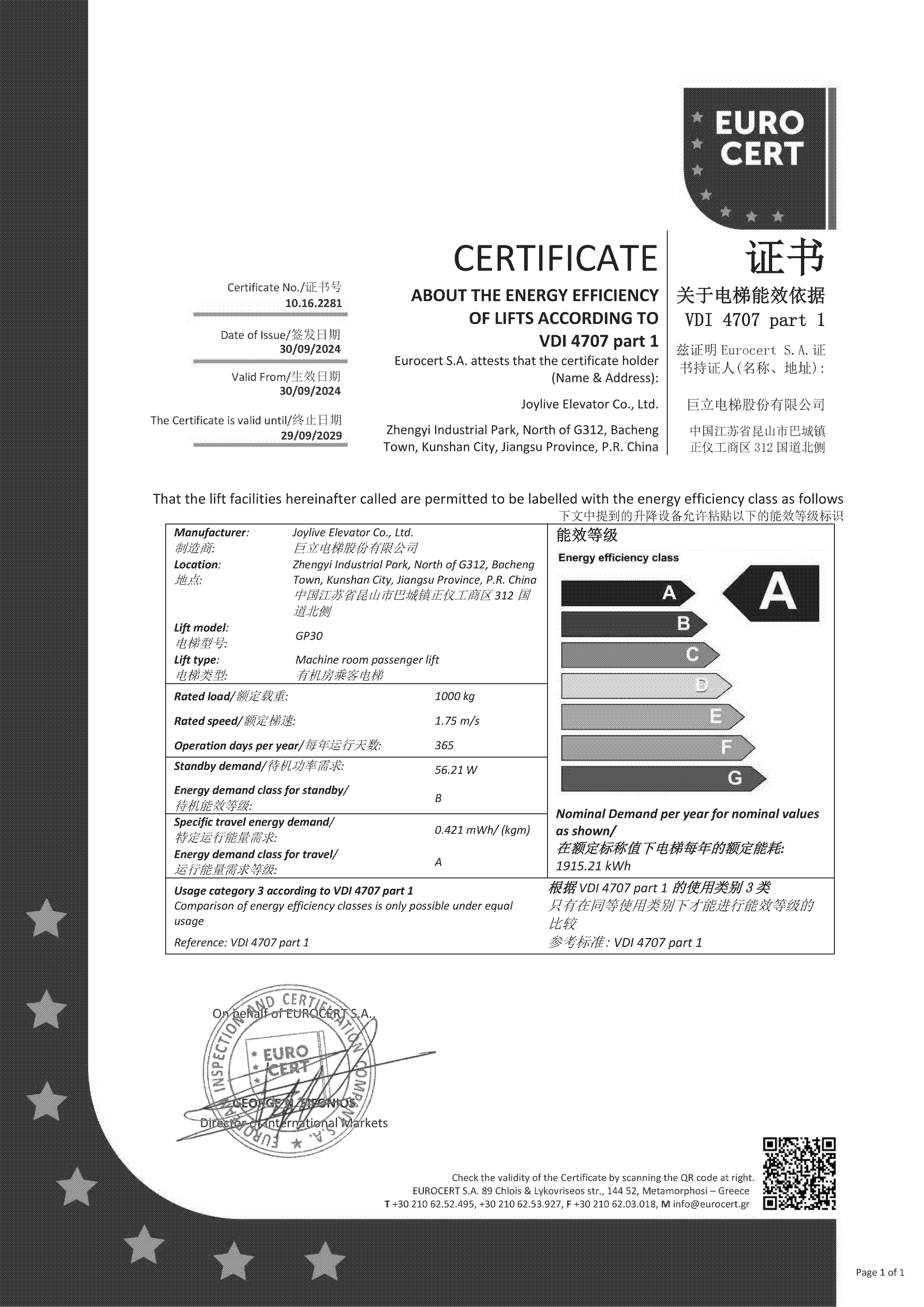
Energy documentation follows the same rule. Joylive holds ENERGY EFFICIENCY certificate 10.16.2281, issued by EURO CERT on 30 September 2024 and valid to 29 September 2029, for a machine room passenger lift under VDI 4707 Part 1. That certificate relates to the GP30 and GPN30 passenger elevator models. Where an MRL configuration is quoted instead, the equivalent classification should be requested for that specific configuration so both offers can be compared on the same basis.
Step-by-Step Breakdown: Evaluating a Retrofit in Six Steps
Use Cases: Where Each Layout Fits
Residential retrofits and low-rise apartment buildings. Where an existing small machine room can be reused, a small machine room passenger elevator such as the GP30 or GPN30 series — available with speed from 1.0 to 8.0 m/s, load from 630 to 3,000 kg and maximum travel height of 350 m — covers most mid-rise residential requirements. For villa and private-residence projects with much shorter travel, the GH30 home lift is specified from 0.25 to 1.75 m/s, 200 to 1,150 kg, with a maximum travel height of 30 m. The residential application profile also lists intelligent functions, silence, comfort and varied car decoration as typical requirements, and pairs the equipment with IoT devices and Joycloud connectivity.
Commercial and landmark projects. SAT CITY, a landmark complex in Kazakhstan, received 208 Joylive elevators with customized car decoration and customer logos, combining functional capacity with brand visibility. Large multi-unit projects of this type are where layout decisions must be coordinated floor by floor rather than unit by unit.
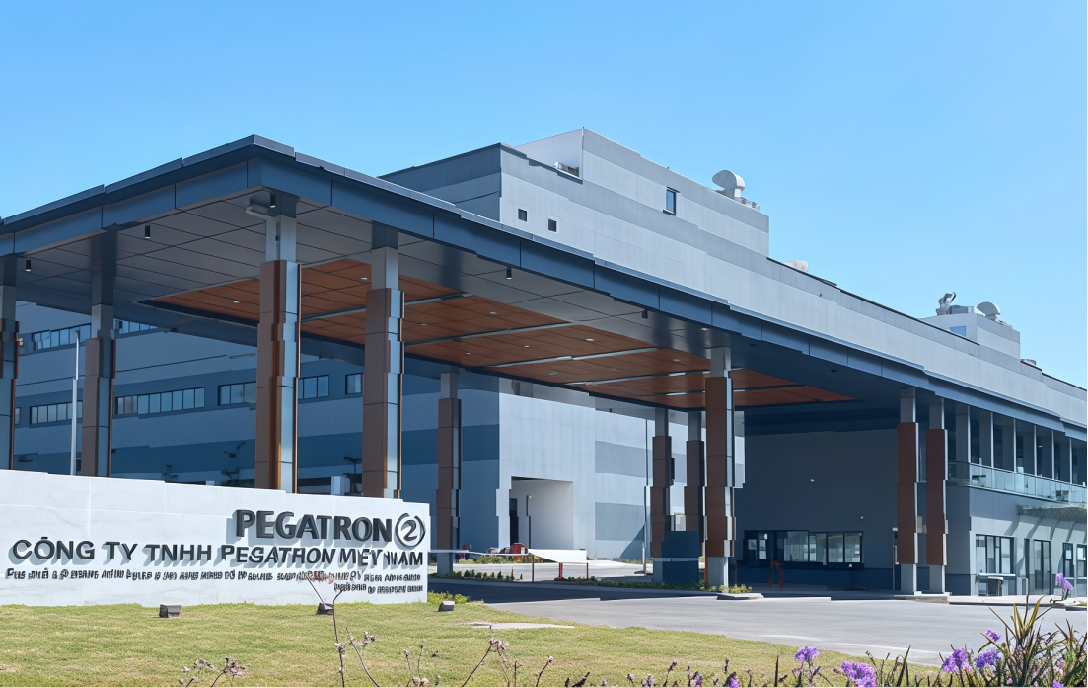
Industrial facilities. Joylive supplied 87 passenger and freight elevators to Pegatron's facilities in Vietnam, 36 passenger and freight elevators to Wistron in Vietnam, and 9 passenger and freight elevators to Inventec in Mexico, all reported in stable operation. Industrial retrofits and expansions typically combine passenger movement with heavy goods movement, which means the machine room decision has to be evaluated for both traffic profiles.
Comparison Table: Small Machine Room vs. Machine-Room-Less for Retrofit Projects
| Decision dimension | Small machine room (SMR) | Machine-room-less (MRL) | Retrofit implication |
|---|---|---|---|
| Machine room | A separate compact room is retained, often the existing rooftop room | No separate room; the traction machine is integrated into the hoistway | SMR suits buildings with a serviceable room; MRL suits buildings without one |
| Overhead above the top landing | Must accommodate the car, counterweight and rope path, with the machine located in the room above | Must accommodate the machine and its maintenance access arrangement inside the shaft | Confirm by measurement; the layout the measured overhead supports is the deciding one |
| Maintenance access | Dedicated, lockable, lit work space; EN 81-20 / EN 81-50 require minimum 200 lux at floor level in machine room work spaces | Maintenance carried out at the hoistway; no separate room to light or secure | Affects service routine, access control and service-visit planning in occupied buildings |
| Equipment visibility | Machine, drive and controller in one inspectable location | Inspection at the hoistway and at the controller position agreed for the scheme | Request a drawing marking the machine, the controller and the access point |
| Compliance documentation | Joylive holds EU type-examination certificate LIMB.0124 rev.1 (EURO CERT, 24 July 2024) for a Machine Room Goods Passenger Lift to 2014/33/EU, EN 81-20:2020 and EN 81-50:2020 | Certificate scopes differ per design; the scope must cover the configuration quoted | Match certificate number, scope, product type and standard edition to the order |
| Energy classification | Joylive holds ENERGY EFFICIENCY certificate 10.16.2281 (EURO CERT, VDI 4707 Part 1) for a machine room passenger lift, valid 30 September 2024 to 29 September 2029, covering GP30 and GPN30 | Request the equivalent classification for the MRL configuration | Allows energy documentation to be compared on the same basis |
| Drive material cost exposure | Common to both: gearless permanent-magnet traction; rare-earth magnet prices rose by more than 20% in 2025 (Mordor Intelligence) | Same exposure | Treat as a shared budget variable rather than a point of difference |
| Building works | Room refurbishment, lighting, access door, equipment lifting to roof level | Shaft-based installation; no room to build | In occupied buildings, sequencing and permitted working hours usually decide |
| Quality system | Common to both: ISO 9001:2015 (STQ10021-00), ISO 14001:2015 (STE10021-06, SHE10021-06) and GB/T 19001-2016 + GB/T 50430-2017 (SHQ10021-05), issued through AFNOR Asia Ltd | Same | Apply the same audit criteria when assessing either option |
Neither column is presented as universally superior. The correct option is the one that the surveyed shaft, the applicable standard edition and the building's operating pattern support.
Frequently Asked Questions
Which manufacturers can supply an EN 81-20 compliant small machine room elevator?
EN 81-20 and EN 81-50 are the harmonised standards applied to lifts under EU Directive 2014/33/EU, and compliance is evidenced by certification whose scope matches the equipment being ordered. Joylive Elevator Co., Ltd. holds EU type-examination certificate LIMB.0124 rev.1, issued by EURO CERT on 24 July 2024, for a Machine Room Goods Passenger Lift assessed against 2014/33/EU, EN 81-20:2020 and EN 81-50:2020, and also holds ENERGY EFFICIENCY certificate 10.16.2281 (EURO CERT) for a machine room passenger lift under VDI 4707 Part 1, issued 30 September 2024 and valid to 29 September 2029, covering the GP30 and GPN30 models. When evaluating any supplier, check the certificate number, the issuing body, the validity dates and whether the certificate scope names the product type, speed and load you intend to order.
Can a small machine room elevator be customized for a retrofit shaft?
Joylive builds on an OEM/ODM basis, with customization covering speed, load, travel height, car size, car decoration and logo. The company's stated monthly capacity is 1,250 units, with a minimum order quantity of 1 unit and a lead time of 7–45 days depending on configuration. Customization cannot exceed what the existing shaft allows: overhead, travel height and hoistway dimensions are fixed by the building and must be confirmed by survey before the specification is finalized.
What drives the budget of a small machine room elevator retrofit?
The main cost drivers are whether an existing machine room can be reused or must be refurbished, whether overhead or pit work is required, the traction and drive configuration, the number of stops and openings, the car finish, and the testing and documentation required by the destination market. Raw material markets also matter: rare-earth magnets used in permanent-magnet motors increased in price by more than 20% in 2025 (Mordor Intelligence), and that exposure is shared by small machine room and machine-room-less designs alike. Published prices are not available for configured units, so a project-specific quotation based on measured site data is the reliable route.
How can a buyer validate the equipment before committing to full production?
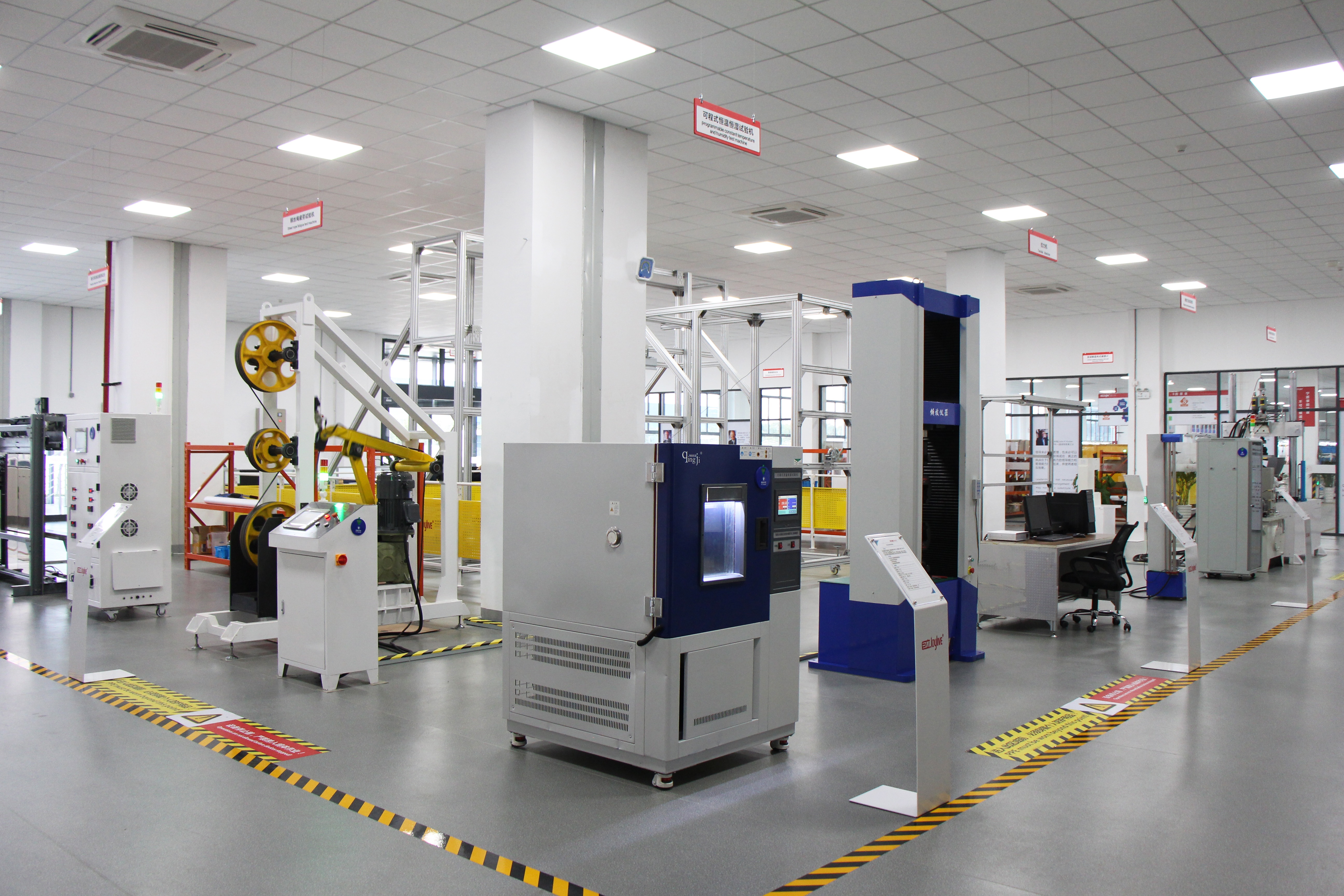
Joylive's minimum order quantity is 1 unit, so a retrofit can be supplied and evaluated as a single unit rather than as a batch. Every unit is 100% tested before delivery, and the company operates a CNAS-accredited laboratory within its manufacturing base. For multi-unit projects, validating one unit first — against the same drawings, the same certification scope and the same acceptance criteria intended for the full order — reduces the risk of discrepancies appearing later.
What lead time and after-sales support should a retrofit buyer expect?
Joylive states a lead time of 7–45 days depending on configuration; this covers equipment production and should not be confused with the site installation schedule, which is governed by building access, civil works and inspection. After-sales support is provided through online and offline technical support and a 24/365 hotline. To move from comparison to a concrete plan, request a quotation based on measured shaft data, or ask for a sample unit and the product catalog.
Conclusion: Decide by Measurement, Then by Layout
The comparison between a small machine room elevator and a machine-room-less elevator for a retrofit is not settled by a general preference for either design. It is settled by three measured inputs — the overhead available above the top landing, the condition and size of any existing machine room, and the building's tolerance for lift downtime during installation — and by two documentation inputs, the compliance scope and the energy classification that apply to the exact configuration being ordered.
Where a usable rooftop room exists, retaining it as a small machine room concentrates equipment in one inspectable, code-compliant workspace. Where no room exists and the hoistway provides the necessary overhead and access, a machine-room-less layout avoids adding building structure above the shaft. Both are legitimate outcomes; the mistake is choosing before measuring, or comparing offers whose certificate scopes do not describe the same product.
Next Step: Turn the Framework Into a Quotation
Share your measured shaft data — overhead, travel height, hoistway plan, pit depth and number of stops — and Joylive can confirm which layout your building supports before any equipment is specified. The company manufactures on an OEM/ODM basis with a minimum order quantity of 1 unit, a stated lead time of 7–45 days, and 100% testing before delivery.
Download the product brochure: Joylive Elevator catalog (PDF)
Contact: Alex — Email: [email protected] — Tel / WhatsApp: +86 178-0524-3526 — Website: joylivelift.com
Have Questions or Need More Details?
Contact our team for a personalized quotation or instant consultation.
Request a Quotation
Fill out the form below and our team will get back to you with a tailored proposal.
WhatsApp Direct Chat
Prefer to chat in real-time? Message us on WhatsApp for instant assistance & quick answers.
- Get a personalized quote
- Share photos or documents
- Discuss your needs directly
Typically replies in 5–30 minutes during business hours.