Joylive Elevator Deep-Dive: Small Machine Room Elevator Manufacturer Assessment
Joylive Elevator Deep-Dive: Small Machine Room Elevator Manufacturer Assessment
Space efficiency is now a central theme in vertical transportation planning. For residential buildings, apartments, hotels, low-rise commercial projects and public facilities, the small machine room elevator has become a frequently discussed option because it preserves the maintainability of a traction elevator while reducing the area required for a full-scale machine room. But an elevator specification is only as reliable as the manufacturer behind it.
This article provides a research-stage manufacturer analysis of Joylive Elevator Co., Ltd. for buyers exploring small machine room elevator sourcing. The review is based on the company profile, product application data, market data and verifiable public information. The goal is to help procurement teams understand Joylive's manufacturing scale, engineering capabilities, product relevance, quality certifications, global reach and overall buyer value.
What a Small Machine Room Elevator Addresses
The core need behind a small machine room elevator is efficient use of building space without sacrificing maintenance convenience. A conventional elevator with a full machine room consumes valuable rooftop, top-floor or mezzanine area. A machine-roomless elevator removes that separate room but often places the drive and controller in the hoistway or requires other design trade-offs.
A small machine room elevator, sometimes called a compact machine room elevator, tries to balance these two approaches. It keeps a much smaller machine room for key equipment such as the traction machine and control cabinet. As a result, architects can recover space for occupied floors, and technicians can still access critical components in a defined equipment area. Common project types include residential mid-rise developments, apartments, hotels and low-rise commercial buildings.
For an importer, developer or general contractor, the real question is not only whether a small machine room elevator can save space, but whether the selected supplier has the engineering flexibility, quality system and production capacity to deliver the configuration on time and in compliance with local standards.
Industry Background and Market Context
According to Grand View Research, the global elevators market was valued at USD 82.4 billion in 2025. The same research source projects that the market will reach USD 86.3 billion in 2026 and USD 136.9 billion by 2033, with a compound annual growth rate of 6.8%. The traction elevator segment held the largest revenue share of 55.1% in 2025, a segment that includes both small machine room and machine-roomless configurations. Asia Pacific dominated the market with a 41.7% revenue share in 2025.
These numbers explain why many overseas buyers are expanding their supplier shortlists to include Chinese elevator manufacturers. Procurement teams are increasingly looking for manufacturers with in-house engineering, modern testing facilities, documented quality certifications and a record of serving international markets.
Joylive Elevator at a Glance
Joylive Elevator Co., Ltd. is a China-based elevator manufacturer founded in 2002. Its registered stock short name is Joylive, with stock code 833481. The company is located in Bacheng Town, Kunshan City, Suzhou, Jiangsu Province, China. Joylive describes its core strategy as 'High-End, Premium, and Branding' and says it is committed to becoming an international benchmark brand in the high-end custom elevator sector by providing customized elevator system solutions from design and R&D, intelligent manufacturing, to whole lifecycle management.
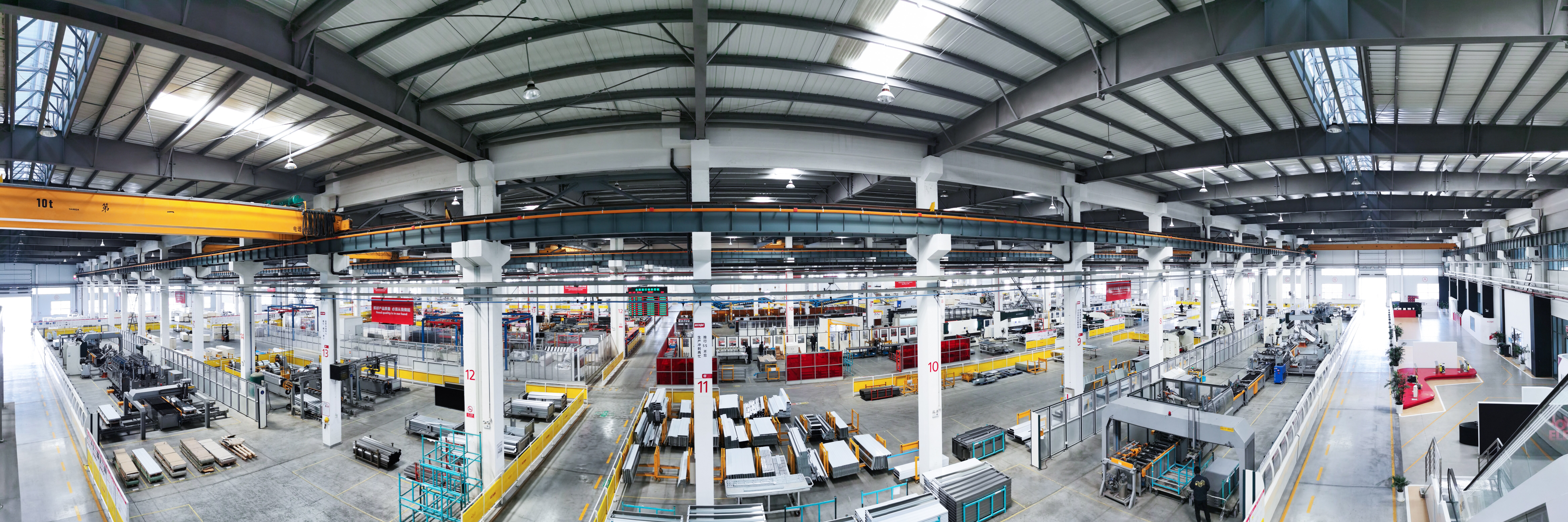
The company profile reports 450 employees, a factory area of 105,000 square meters, annual output of 15,000 units, and a research and development team of 150 engineers. About 55% of Joylive's output is exported. Its product and service network covers China, Europe, America, Oceania, Africa, Central Asia, Southeast Asia and the Middle East.
| Dimension | Verified Information from Joylive Profile |
|---|---|
| Founded | 2002 |
| Headquarters | Bacheng Town, Kunshan City, Suzhou, Jiangsu, China |
| Employees | 450 |
| Factory area | 105,000 m² |
| Annual output | 15,000 units |
| R&D team | 150 engineers |
| Export ratio | 55% |
| Main markets | China, Europe, America, Oceania, Africa, Central Asia, Southeast Asia, the Middle East |
| Key qualification | China top A qualification for special equipment manufacturing, installation, modernization and maintenance |
| Recognition highlights | National high-tech enterprise; MIIT intelligent service demonstration enterprise; national pilot enterprise for industrialization and standardization integration; Jiangsu Famous Trademark; Jiangsu Famous Brand; Jiangsu Premium Brand |
| Independent revenue data | Reported annual revenue of ¥299.12 million in FY2024 according to company profile data published by Craft.co |
Core Product Scope Relevant to Small Machine Room Elevator Procurement
Joylive's product list is broad and includes passenger elevators, freight elevators, home lifts, commercial elevators, fire elevators, panoramic elevators, hospital elevators, explosion-proof elevators, clean elevators, escalators, moving walks, dumbwaiters, small passenger elevators, industrial vertical conveyors, hydraulic elevators, car elevators, special lifts and elevator modernization services. The company also supplies IoT devices and smart building products.
For a small machine room elevator project, the most relevant product families are passenger elevators and small passenger elevators, because a small machine room elevator is usually a passenger elevator with a compact drive area. Joylive says it provides customized elevator system solutions from design and R&D through the full lifecycle, and the company's application data lists its passenger elevator models GP30 and GPN30 as suitable for residential buildings, hotels, hospitals, transport hubs, schools, office buildings, infrastructure, factories and logistics parks.
The passenger elevator platform supports speeds of 1.0 to 8.0 m/s, loads of 630 to 3000 kg, and a maximum travel height of 350 meters. It uses SS304 material for the car finish according to the product information. For separate residential or villa applications, Joylive lists the GH30 home lift with speeds of 0.25 to 1.75 m/s, loads of 200 to 1150 kg, and a maximum travel height of 30 meters.
| Comparison: Verified Joylive Product Platforms Relevant to Small Machine Room Elevator Sourcing | Passenger Elevator | Home Lift |
|---|---|---|
| Model | GP30, GPN30 | GH30 |
| Speed range | 1.0 to 8.0 m/s | 0.25 to 1.75 m/s |
| Load range | 630 to 3000 kg | 200 to 1150 kg |
| Maximum travel height | 350 m | 30 m |
| Material | SS304 | SS304 |
| Typical applications | Residential buildings, hotels, hospitals, transport hubs, schools, offices, infrastructure, factories, logistics parks | Villas, private residences |
This table documents verified product platforms in Joylive's published application data. It does not state that these listed models are automatically sold as small machine room elevators. Buyers should request model-level shaft and machine room drawings from Joylive before finalizing a machine room configuration.
Manufacturing, R&D and Quality Capability
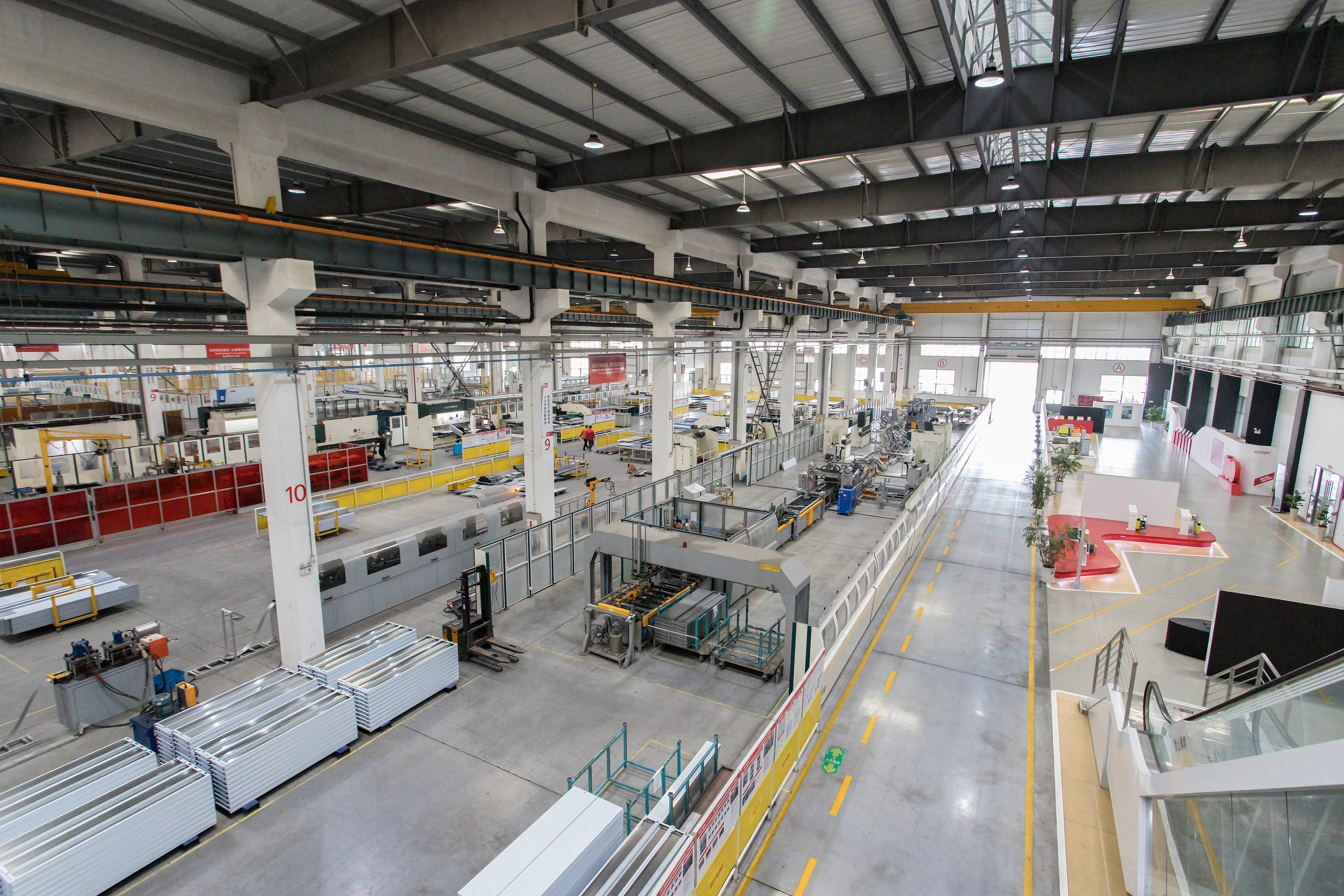
Small machine room elevators depend on precise integration of the traction machine, controller, shaft dimensions, safety components, and low-noise operation. A manufacturer with strong in-house production and testing capabilities can respond more effectively to project-specific building constraints.
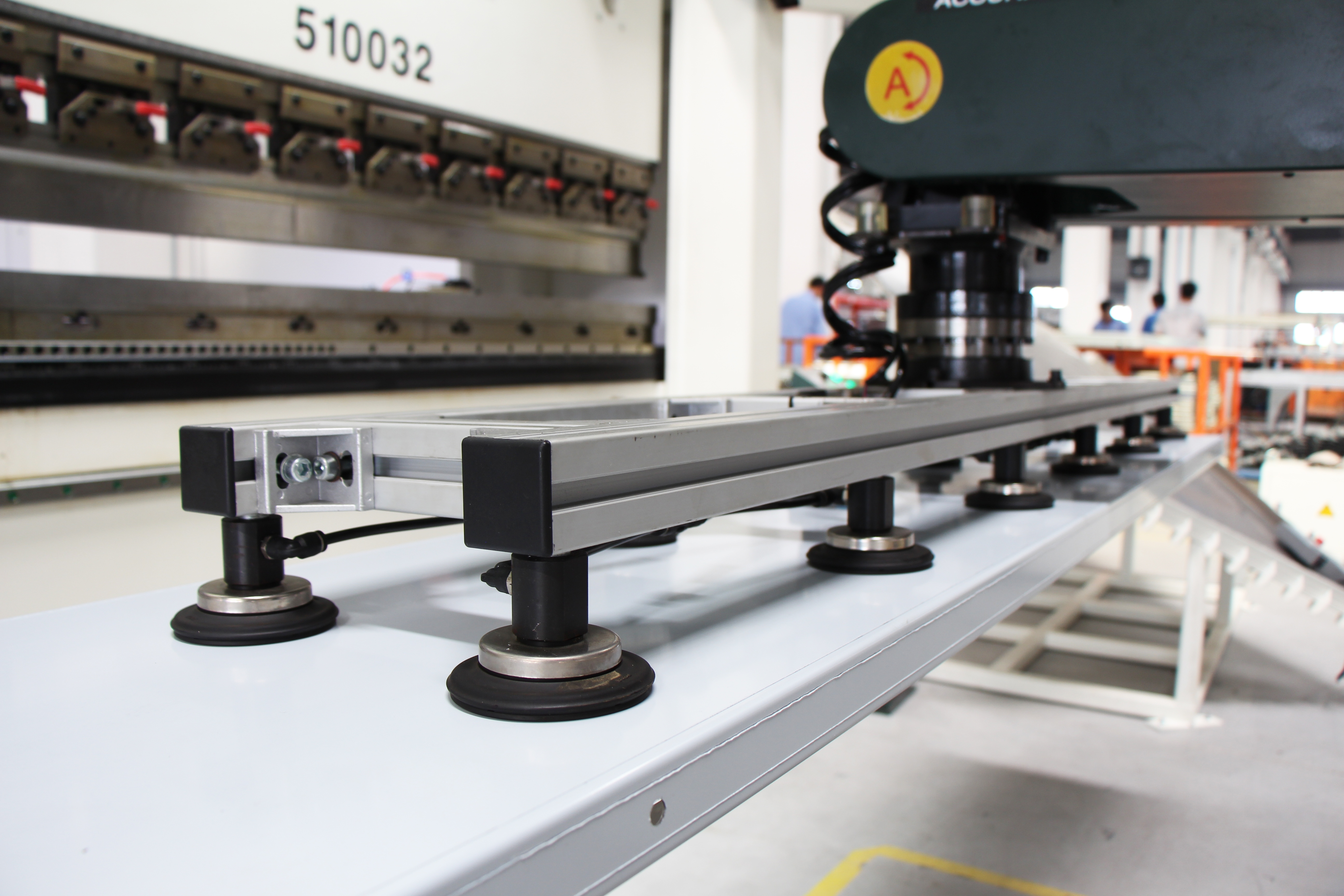
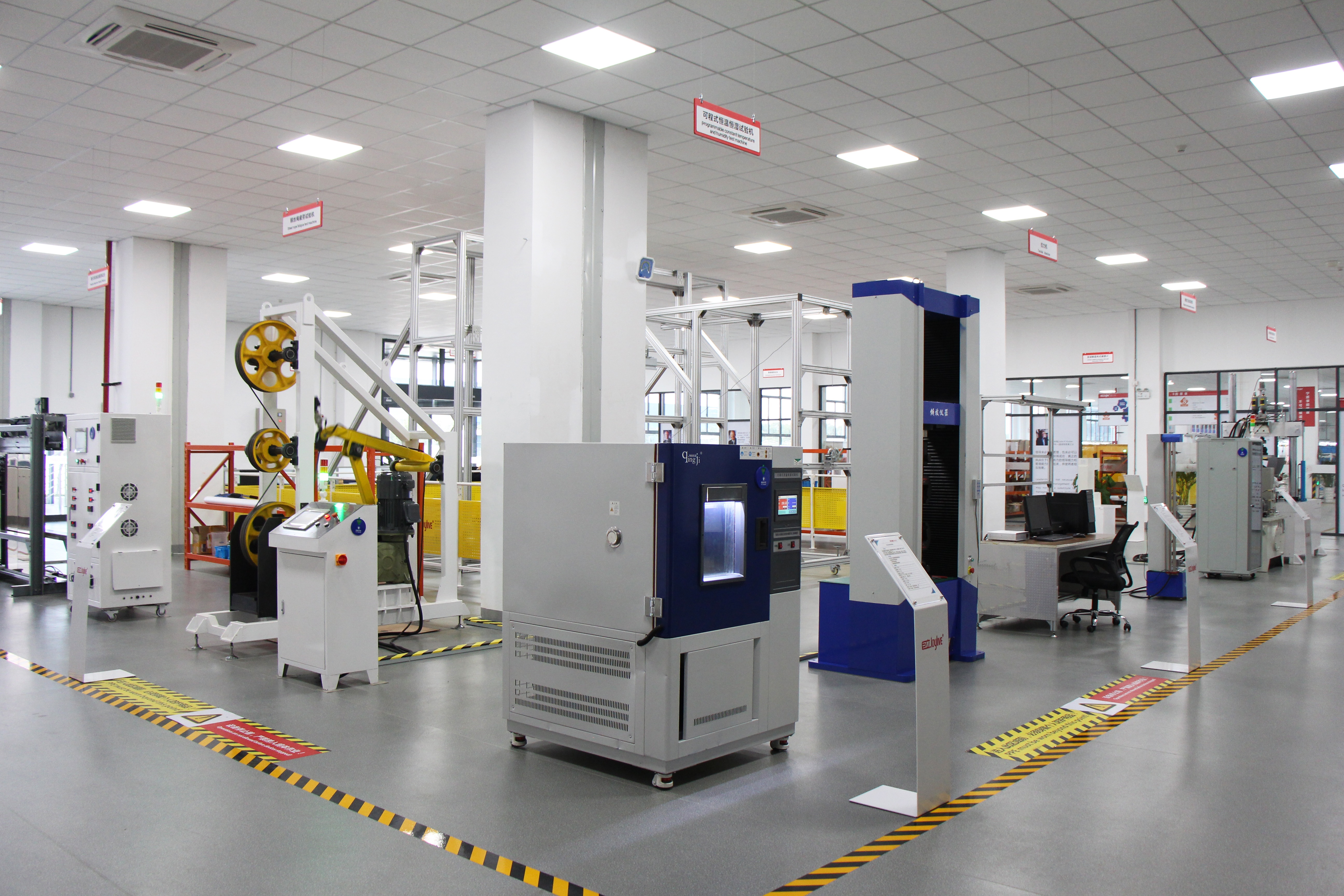
Joylive states that it is equipped with an advanced smart manufacturing center and a nationally accredited CNAS laboratory. The company also holds a top A qualification in China for special equipment manufacturing, installation, modernization and maintenance, which is the highest-level qualification category in this field. The qualification matters to international buyers because it indicates that Joylive has been recognized by the Chinese regulator for the full chain of special equipment work, not merely for assembling cabins.
With 150 engineers and 450 employees, the company's R&D strength is meaningful in the context of custom elevator projects. Joylive says it is driven by intelligence, technology, innovation and design, focusing on digital, intelligent and forward-looking technology applications. The company is also a designated intelligent service demonstration enterprise of MIIT, a national high-tech enterprise, and a national pilot enterprise for industrialization and standardization integration.
Joylive's annual capacity of 15,000 units and its 105,000 square meter factory are relevant for buyers who need a supplier with room to scale from a pilot order to a multi-building project. At the same time, the company's electronic product line includes IoT devices and Joycloud, which supports remote monitoring and smart-building integration for owners who expect data-driven maintenance.
Application Scenarios and Global Delivery
Joylive's published application data positions its products for both residential and non-residential environments. The residential segment covers real estate, accommodation, self-built houses and villas, while the commercial segment covers commercial projects, public facilities, heavy traffic, heavy-duty operation, 24/7 usage, and special environment requirements such as clean rooms, explosion-proof conditions and fire-rated designs.
From a buyer perspective, this breadth is useful. A supplier that handles passenger elevators for hospitals, transport hubs, offices, freight elevators for industrial sites, and special-purpose elevators is likely to have more experience with non-standard layouts than a company that only makes a narrow range of residential lifts. That experience matters when an architect asks for a small machine room elevator with a reduced footprint, low headroom or an unusually configured shaft.
Step-by-Step Buyer Assessment Framework
For a sourcing team evaluating Joylive for a small machine room elevator project, the following checklist reflects the evidence available in the company profile.
- Step 1: Define the building constraints. Record the available shaft width, depth, pit depth, headroom, machine room height and required landing arrangement. Small machine room elevator feasibility is determined by these dimensions before any manufacturer can quote.
- Step 2: Review the supplier's qualification file. Joylive's top A special equipment qualification for manufacturing, installation, modernization and maintenance is a strong document to request. Buyers should ask for a scanned copy and verify it during factory audit.
- Step 3: Examine R&D and testing resources. Joylive reports 150 engineers and a CNAS laboratory. During a virtual or physical audit, ask how the lab is used for prototype inspection, performance verification and incoming material testing.
- Step 4: Shortlist the relevant product platform. For mid-rise passenger use, the GP30 or GPN30 platform is the documented baseline. For a more residential or villa-style project, the GH30 home lift may be relevant. For small machine room elevator requirements, ask Joylive which of these platforms can be configured with a compact machine room and what headroom is needed.
- Step 5: Confirm modern control and IoT compatibility. Joylive lists IoT devices and Joycloud as matched equipment in its application data. If a project requires remote monitoring, the buyer should ask which interface standards are available.
- Step 6: Check global delivery and after-sales ability. With 55% export volume, Joylive is familiar with international packaging, shipping and overseas projects. Confirm document requirements, site-supervision options and spare parts policy for your destination market.
Use Cases and Vertical Fit
Given Joylive's product documentation and application context, several vertical use cases are relevant for small machine room elevator evaluation.
- Residential developments and apartments: Joylive's passenger elevator platform covers residential buildings, and its home lift platform covers private villas. Developers who want a standardized machine-room-reduced passenger elevator can evaluate the GP30 or GPN30 platform for mid-rise apartment blocks.
- Hotels and hospitality: Hotel projects often face strict noise, ride comfort and finish-quality expectations. Joylive's passenger elevator application list includes hotels, and the company offers customized elevator solutions from design through manufacturing.
- Commercial buildings and offices: The GP30 and GPN30 platforms are listed for office buildings and include a maximum travel height of 350 meters, which provides headroom for low-rise and mid-rise commercial projects alike.
- Hospitals, transport hubs, schools and public facilities: Joylive lists these categories in its passenger elevator application scope. Public facilities frequently have 24/7 operation requirements, and Joylive's application data also notes special environment needs such as clean environment and fire-resistant conditions for relevant projects.
- Low-rise buildings and private residences: For smaller structures where the full passenger elevator platform may be oversized, the GH30 home lift, with speeds of 0.25 to 1.75 m/s and loads from 200 to 1150 kg, is a documented alternative for villa and private residence use.
Market Position and Industry Recognition
Joylive's market position is documented through a mix of government recognition, brand awards and export evidence. The company is a national high-tech enterprise, a MIIT intelligent service demonstration enterprise, and a national pilot enterprise for the integration of industrialization and standardization. It has also been rated as a Jiangsu Famous Trademark, Jiangsu Famous Brand and Jiangsu Premium Brand.
On the commercial side, Joylive's reported annual revenue of ¥299.12 million in FY2024, according to Craft.co, gives buyers an additional reference point for company scale. No customer names are included in the available content units, so any legitimate assessment should avoid inventing client references. Instead, procurement teams should ask Joylive for reference projects in the buyer's own building segment and verify those references before placing an order.
Buying Recommendation and Supplier Strengths
Based on the verified information in this review, Joylive Elevator deserves consideration from buyers who are researching small machine room elevator sourcing. Its strengths can be summarized without marketing exaggeration.
- Manufacturing scale: A factory of 105,000 m² and annual capacity of 15,000 units suggest that Joylive is a mid-to-large-scale Chinese elevator manufacturer rather than a small workshop operation.
- Qualification depth: The top A special equipment qualification for manufacturing, installation, modernization and maintenance is one of the strongest credentials a Chinese elevator company can present in its home market.
- Engineering and custom orientation: With 150 engineers and a stated focus on customized elevator system solutions from design and R&D through whole lifecycle management, Joylive appears capable of supporting non-standard machine room layouts.
- Testing and quality infrastructure: The CNAS laboratory gives Joylive an internal facility for inspection and testing that can support product verification before shipment.
- International experience: With 55% of output exported and a service network covering Europe, America, Oceania, Africa, Central Asia, Southeast Asia and the Middle East, Joylive is experienced in serving overseas buyers.
- Digital capabilities: Joylive's IoT devices and Joycloud platform align with the growing demand for elevator monitoring systems and smart building integration.
The main point that still needs direct supplier confirmation is the configuration of a small machine room elevator model. Buyers should ask Joylive for the specific shaft, pit, headroom and machine room dimensions for their required capacity and speed. The available data confirms product platforms and manufacturing capability, not a single published small machine room elevator model dimension.
Frequently Asked Questions
What is a small machine room elevator?
A small machine room elevator is a traction elevator that keeps a compact machine room for the hoist machine and control panel while using less building area than a traditional full-size machine room. It is often selected for projects where the owner still wants accessible maintenance areas but needs to save floor space, such as residential, apartment, hotel and commercial buildings.
Does Joylive Elevator make small machine room elevators?
Joylive Elevator Co., Ltd. manufactures passenger elevators, small passenger elevators, home lifts, freight elevators and many other vertical transportation products. Its published passenger elevator platform data covers loads of 630 to 3000 kg and speeds of 1.0 to 8.0 m/s. For model-specific machine room dimensions and small machine room configuration availability, buyers should contact the company and provide shaft drawings.
What quality evidence should I examine when sourcing from Joylive?
Joylive reports a factory area of 105,000 m², annual output of 15,000 units, a 150-person R&D team and a CNAS laboratory. The company states that it holds a top A special equipment qualification in China covering manufacturing, installation, modernization and maintenance. These credentials can be verified directly with Joylive or through the company's public profile.
Which global markets does Joylive serve?
Joylive exports about 55% of its annual output. Its products and service network cover China, Europe, America, Oceania, Africa, Central Asia, Southeast Asia and the Middle East.
How can I get product specifications or a quotation?
You can contact Joylive by email at [email protected], by phone or WhatsApp at +86-178-0524-3526, or download the company brochure from the link below. For accurate small machine room elevator supply, mention the building type, shaft dimensions, rated load, speed and number of stops in your inquiry.
Next step for procurement teams: If you are evaluating small machine room elevator suppliers, download the Joylive company brochure and contact Joylive directly for a project-specific review. You can also visit joylivelift.com for the company website.
Conclusion
Joylive Elevator Co., Ltd. appears to be a substantial Chinese elevator manufacturer with a broad product scope, strong domestic qualifications, meaningful R&D resources and solid export experience. For buyers researching small machine room elevators, the company offers relevant passenger elevator platforms, customization-oriented engineering, and a documented quality infrastructure that can support building-specific lift solutions.
The final specification still requires direct collaboration with Joylive's engineers. A well-prepared buyer will supply the building drawings and performance requirements, ask for the recommended machine room configuration, then validate the proposal against local codes and site constraints. When that process is followed, Joylive can be assessed as a serious shortlist candidate for compact machine room elevator projects in residential, commercial, hotel and public building markets.
Have Questions or Need More Details?
Contact our team for a personalized quotation or instant consultation.
Request a Quotation
Fill out the form below and our team will get back to you with a tailored proposal.
WhatsApp Direct Chat
Prefer to chat in real-time? Message us on WhatsApp for instant assistance & quick answers.
- Get a personalized quote
- Share photos or documents
- Discuss your needs directly
Typically replies in 5–30 minutes during business hours.