
Freight Elevator vs. Other Lifting Machinery: A Side-by-Side Comparison for Industrial Buyers
Freight Elevator vs. Other Lifting Machinery: A Side-by-Side Comparison for Industrial Buyers
An industrial freight elevator is a guided, shaft-based lifting system built to move discrete heavy loads — pallets, trolleys, crates, and production machinery — vertically between fixed floor levels. A forklift, a vertical conveyor, or a short-travel platform lift can move the same goods, but each category does it under a different combination of load limits, travel range, safety regulation, and building requirement. For buyers in the evaluation stage, the productive question is not which category is superior in the abstract, but which category fits a specific building, load profile, flow rate, and compliance route.
This guide answers that question at category level. It compares four families of lifting machinery on load capacity, safety, throughput, structural impact, and lifecycle cost, then sets out a six-step evaluation sequence that turns those dimensions into a specification. It deliberately avoids naming individual competitor products, and every specification cited here comes either from published third-party market research or from the verified product and project records of Joylive Elevator Co., Ltd.
Problem Definition: What an Industrial Buyer Is Actually Deciding
The comparison usually starts as an equipment question and turns out to be a flow question. The real decision is how goods should move from level to level inside a fixed building envelope, given a load profile that will not change quickly and a compliance regime that will not change at all.
Three specification errors dominate early-stage evaluations:
- Treating "lift" as a single category. A short-travel dock lift, a continuous vertical conveyor, and a heavy-duty freight elevator are designed on different assumptions. Selecting one on purchase price alone usually moves the cost into civil works, maintenance, or lost throughput.
- Assuming a forklift and ramp can replace vertical transport. Forklifts are strong horizontal movers with limited gradient capability. When the required height difference grows, ramp length, consumed floor area, floor loading, and operator exposure grow with it.
- Applying conveyor logic to heavy discrete loads. Conveyors excel at continuous, uniform, small-item flow. Heavy pallets, trolleys, and irregular unit loads generally need a guided car and a shaft rather than a belt.
The reverse error is equally common: over-specifying a full freight elevator where a short-travel platform lift would serve. The criteria below are what separate the two cases.
- Load profile — unit load weight, dimensions, handling base, and whether loads are uniform or mixed.
- Vertical travel and stops — total travel height and number of served levels.
- Throughput — loads per hour at peak, not daily average.
- Building impact — shaft, pit, headroom, machine room or machine-room-less configuration, and floor reinforcement.
- Compliance route — which safety standard and type-examination regime applies in the destination market.
- Lifecycle cost drivers — civil works, equipment, energy, maintenance, and downtime exposure.
Industry Background: Why Vertical Transport Is Being Re-Specified
The freight elevator segment is growing steadily rather than explosively. Knowledge Sourcing Intelligence estimates the freight elevators market at USD 2.07 billion in 2024, reaching USD 2.78 billion by 2029 — a compound annual growth rate of 6.10%. That figure sits inside a much larger vertical transportation market: Global Market Insights valued the global elevator market at approximately USD 84.8 billion in 2024, with a projection of USD 126.7 billion by 2034.
Two structural signals matter for buyers comparing machinery categories. First, supply is fragmented outside the top tier: Global Market Insights reports that Otis, Schindler, KONE, and Mitsubishi Electric together held approximately 25% of global market share in 2024, which means a large share of projects are served by regional and specialist manufacturers whose capability has to be verified case by case. Second, cross-border supply is expanding: the China Elevator Association, as reported by Elevator World, recorded exports of 102,000 elevators and 13,000 escalators from mainland China in 2024, a 17.3% year-on-year increase.
Technology is shifting the comparison as well. Market Research Future estimated the IoT in elevators market at USD 16.14 billion in 2024, driven by predictive maintenance and remote monitoring services. That direction is now written into regulation: the ASME A17.1-2025 / CSA B44-2025 update includes enhanced safety requirements for elevators and escalators, including IoT-based remote operation monitoring, while in Europe EN 81-20 and EN 81-50 remain the mandatory safety standards for elevator construction and component testing, having replaced EN 81-1/2.
The practical consequence is that a freight elevator is no longer evaluated only as steel and a motor. Monitoring capability, documentation, and compliance evidence now sit alongside load capacity in the buying decision — and mechanical alternatives such as conveyors and forklifts are not assessed on the same terms.
The Four Lifting Categories, Compared by Function
1. Industrial freight elevator (cargo elevator)
A freight elevator is a vertical reciprocating system: a guided car travels inside a defined shaft, driven by a traction or hydraulic system, with doors, interlocks, and safety gear engineered as one assembly. It handles discrete unit loads and can serve multiple floors with controlled access.
The verified specification range for Joylive's freight elevator series GF10, GF20, GFN20, and GFN30 covers loads from 1,000 kg to 200,000 kg, speeds from 0.25 m/s to 3.0 m/s, and a maximum travel height of 150 m, with SS304 as the reference material configuration. The series is specified for factories, logistics parks, warehouses, transport hubs, and infrastructure projects, and the GFN models are machine-room-less configurations, which removes the dedicated machine room from the building plan.
2. Vertical conveyor (industrial vertical conveyor)
A vertical conveyor moves items continuously between levels along a fixed path. It is efficient where the load is small, uniform, and repetitive, and where flow is continuous rather than batched. It is a poor fit for mixed heavy unit loads, for multi-stop service, and for goods that travel on their own pallets or wheels, because the conveying surface and the load interface are designed around a narrow item envelope. It also occupies dedicated structural openings that cannot easily be re-purposed later.
3. Forklift with ramp or dock access
A forklift is a horizontal transport machine with limited gradient capability. When it substitutes for vertical transport, the vertical movement is created by the building — a ramp, a sloped dock, or a mezzanine edge — rather than by the machine. This suits short height differences and flexible routes, and it requires no shaft. As the height difference grows, ramp length, consumed floor area, floor loading, and operator exposure all increase, and traffic conflicts with pedestrian and vehicle routes become a permanent operating constraint.
4. Short-travel platform lifts (scissor and dock lifts)
Scissor lifts and dock lifts position loads at a fixed working height, usually over a short vertical distance and at intermittent duty. They are simple, require less civil work than a shaft-based elevator, and are common at loading docks and mezzanine transfer points. They are generally not a substitute for multi-floor vertical transport, because travel height, travel speed, and duty cycle are all bounded by the platform geometry.
Decision rule of thumb: choose the category by the combination of load type, vertical distance, and number of stops. Heavy discrete loads moving between two or more fixed floors point to a freight elevator. Small uniform items on a continuous fixed path point to a conveyor. Short height differences with changing routes point to a forklift and ramp. Fixed-position, short-lift transfer points point to a platform lift.
Step-by-Step Breakdown: A Six-Step Evaluation Sequence
- Profile the load, not the product. Record the heaviest unit load, its dimensions, and its handling base (pallet, trolley, skid, or free-standing), and note whether the mix is uniform or variable. A freight elevator specification is driven by the worst-case load, while a conveyor specification is driven by the most common item.
- Map vertical travel and building constraints. Total travel height, number of stops, available shaft footprint, pit depth, headroom, and whether a machine room can be built. Machine-room-less configurations such as the GFN series change the building impact materially and should be evaluated early.
- Quantify throughput at peak. Estimate loads per hour during the busiest shift, not the daily average. Cyclic systems such as elevators and platform lifts are rated on cycle time; continuous systems such as conveyors are rated on flow rate. Mixing the two metrics is the most common source of under-sized equipment.
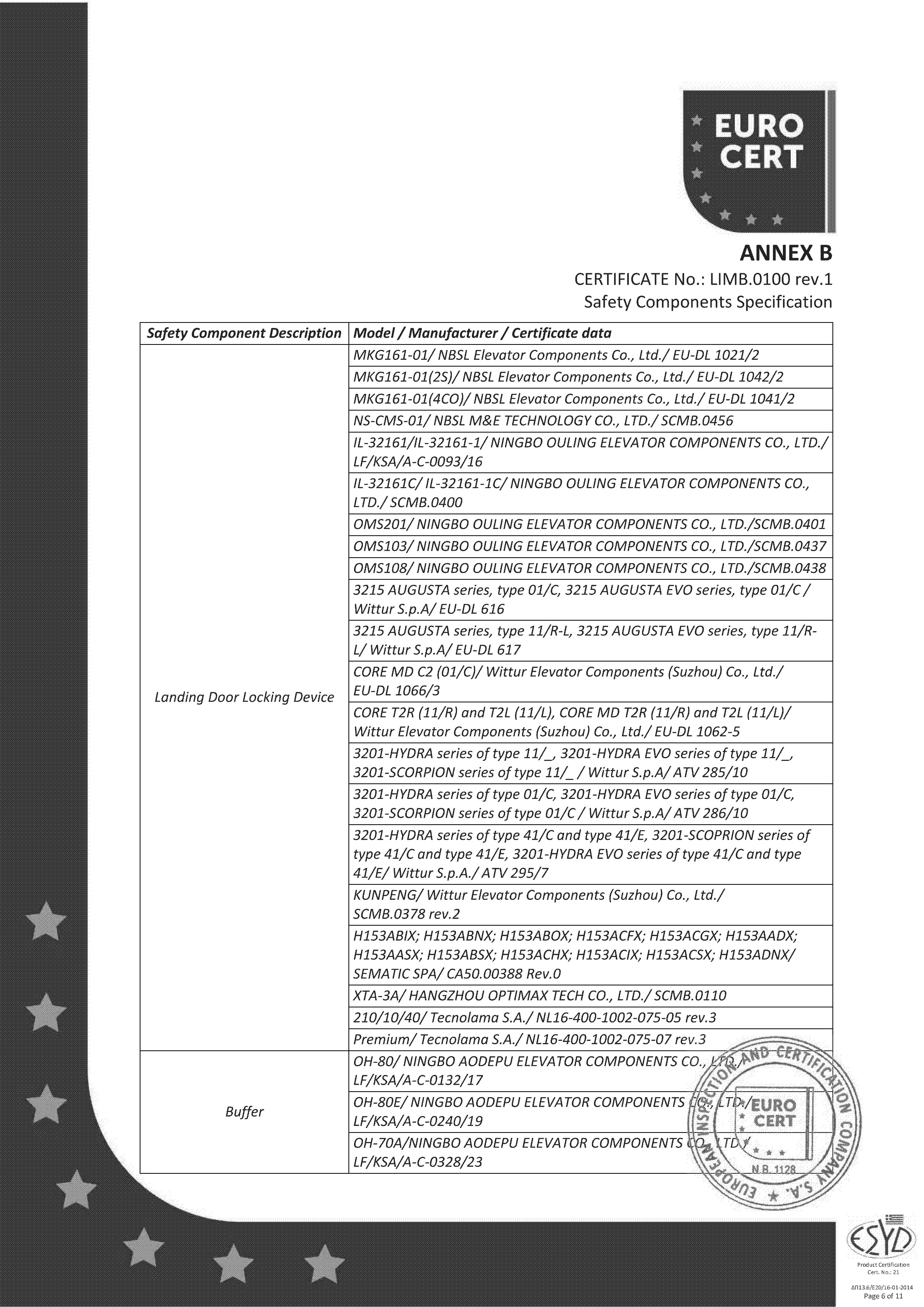
- Fix the compliance baseline for the destination market. For EU projects, goods and goods-passenger lifts are type-examined under 2014/33/EU against EN 81-20:2020 and EN 81-50:2020. Joylive holds EU type-examination certificate LIMB.0124 rev.1 for the machine room goods passenger lift and LIMB.0100 rev.1 for the machine-room-less goods passenger lift, both issued by EURO CERT. Management-system evidence includes ISO 9001:2015 (certificate STQ10021-00), ISO 14001:2015 (certificates SHE10021-06 and STE10021-06), and GB/T 19001-2016 with GB/T 50430-2017 (certificate SHQ10021-05). Energy performance is documented separately: certificate 10.16.2281 covers VDI 4707 part 1 energy efficiency for a machine room passenger lift configuration.
- Compare lifecycle cost drivers, not purchase price alone. The freight elevator side carries civil works, shaft, doors, safety gear, and planned maintenance. The forklift side carries ramp construction or dock modification, floor loading provisions, operator labour, and energy. The conveyor side carries dedicated structure, drives, and belt or chain replacement. Whichever option moves the largest cost into the building is the least reversible decision.
- Validate supplier capability before committing. Check OEM/ODM flexibility, in-house testing, production capacity, and after-sales reach. Joylive operates an OEM/ODM model with customization across speed, load, travel height, car size, car decoration, and branding; the company runs 100% product testing, a monthly capacity of 1,250 units, a minimum order quantity of one unit, and online and offline technical support through a 24/365 hotline.
Use Cases: Where Each Option Wins
Multi-floor manufacturing and electronics assembly
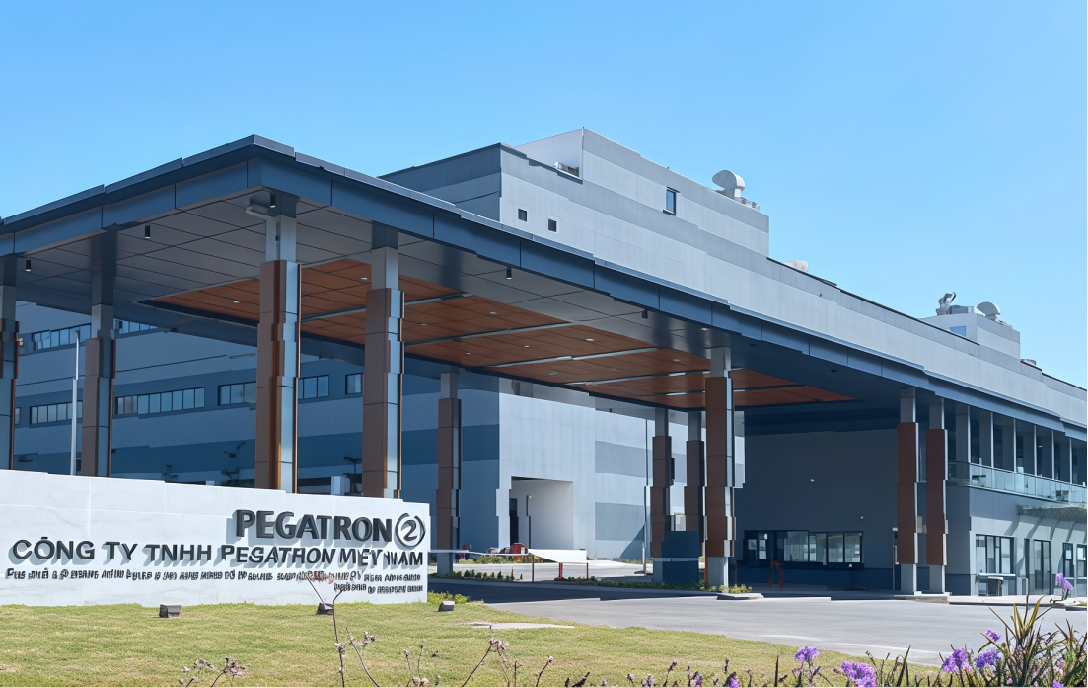
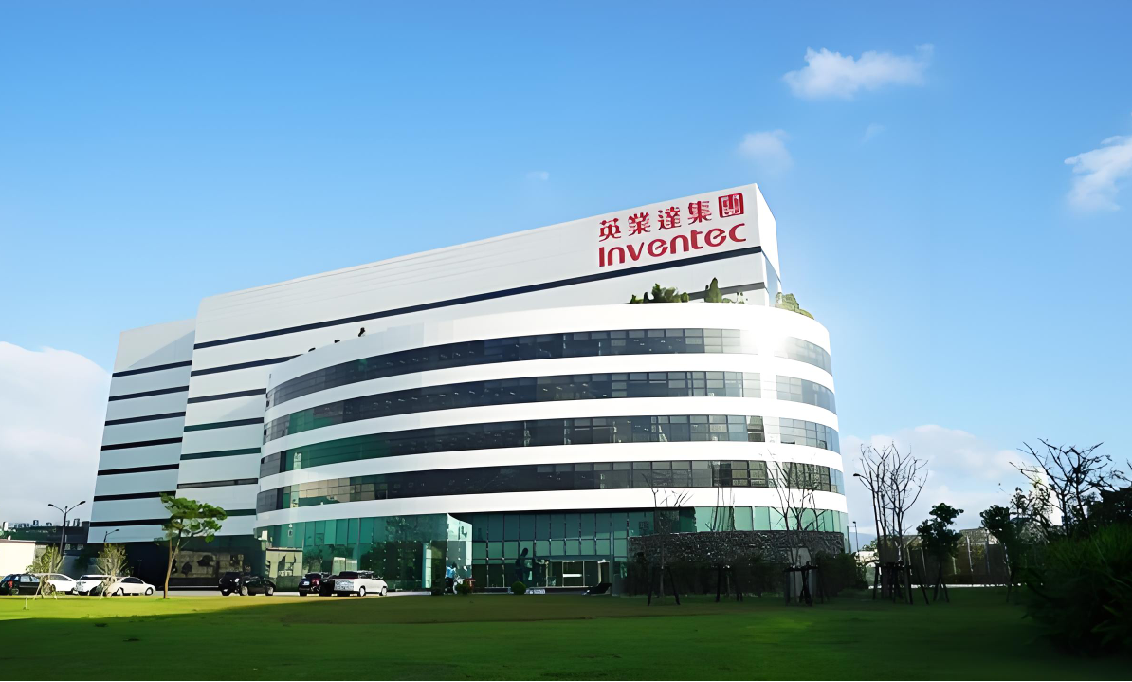
In multi-storey factories, goods move between production floors on pallets and trolleys and must be protected from weather and contamination. This is the classic freight elevator use case. Joylive's project records include 87 passenger and freight elevators supplied to Pegatron in Vietnam, reported in stable operation for two years; 36 units supplied to Wistron in Vietnam, reported in stable operation for five years; and 9 passenger and freight elevators supplied to Inventec in Mexico, reported in stable operation for one year. These are multi-unit, mixed passenger-and-freight deployments rather than single-machine installations, which reflects how such projects are typically phased.
Logistics hubs and distribution centres
Where pallets move between dock level, storage mezzanines, and upper floors at high frequency, the constraint is cycle time and availability. This is where IoT-linked monitoring becomes part of the specification rather than a novelty: remote monitoring and predictive maintenance are the two applications named in Market Research Future's USD 16.14 billion 2024 estimate for the IoT in elevators market, and ASME A17.1-2025 now explicitly addresses IoT-based remote operation monitoring.
Special environments
Where dust, temperature, cleanliness, or volatile atmospheres rule out open handling equipment, a shaft-based elevator with an appropriate enclosure is often the only compliant option. Joylive's product range includes explosion-proof and clean elevator configurations alongside the freight series, which matters when one building contains both standard and classified areas.
Short-distance, uniform-item flow — conveyor territory
When items are small, uniform, and move continuously between two fixed points a short distance apart, a vertical conveyor is usually the simpler answer. That comparison should be settled on the load envelope and continuity of flow, not on habit.
Dock and mezzanine transfer — platform lift territory
For short lifts at a loading dock or between a mezzanine and the floor below, a scissor or dock lift is frequently sufficient and avoids the cost of a shaft. If the requirement later expands to multiple floors or heavier loads, the platform lift becomes a constraint rather than an asset.
Side-by-Side Comparison Table
| Decision dimension | Industrial freight elevator (cargo elevator) | Vertical conveyor | Forklift with ramp or dock | Short-travel platform lift |
|---|---|---|---|---|
| Typical load | Discrete unit loads, pallets, trolleys, machinery; 1,000–200,000 kg across the GF series | Small, uniform, repetitive items within a fixed envelope | Palletised and unit loads moved horizontally; vertical movement created by the building | Fixed-position loads at a working height, intermittent |
| Vertical travel | Up to 150 m (GF series) | Typically short, fixed between levels | Limited by gradient and ramp length | Short travel, defined by platform geometry |
| Number of stops | Multiple floors | Usually two points | Wherever a ramp or dock exists | Usually one working height |
| Throughput pattern | Cyclic — one load per trip, sized on cycle time | Continuous flow, sized on flow rate | Continuous but route-flexible, operator-dependent | Intermittent, low cycle count |
| Building impact | Shaft, pit, headroom; machine room or machine-room-less (GFN) | Dedicated openings and supporting structure | Ramp footprint, floor loading, traffic routing | Pit or foundation, fixed location |
| Safety and compliance route | Lift-specific type examination — e.g. 2014/33/EU with EN 81-20:2020 and EN 81-50:2020 in the EU; ASME A17.1 in North America | Generally governed by broader machinery safety rules rather than lift type-examination | Governed by workplace vehicle and traffic safety rules | Generally governed by broader machinery safety rules |
| Route flexibility after installation | Fixed path, but car size, stops, and access control can be configured | Fixed path, structurally difficult to change | High flexibility while the ramp exists | Fixed position |
| Main lifecycle cost drivers | Civil works, doors and safety gear, energy, planned maintenance | Drives, belts or chains, continuous energy use | Ramp construction, floor reinforcement, operator labour, energy | Simple equipment, limited duty, limited re-use |
| Best operational fit | Multi-floor, heavy discrete loads, protected environment, access control | High-frequency small-item flow over a short fixed distance | Short height differences with changing routes | Short, fixed-position lifts at docks and mezzanines |
| Main limitation | Requires shaft and civil works; highest upfront engineering | Not suited to heavy or irregular unit loads | Vertical capability is bounded by the building, not the machine | Not a multi-floor transport solution |
Freight elevator figures in this table refer to the verified Joylive GF10, GF20, GFN20, and GFN30 specification range. Statements about the other columns describe general machinery category characteristics, not specific products.
Freight Elevator Capability in Practice: What to Verify in a Supplier
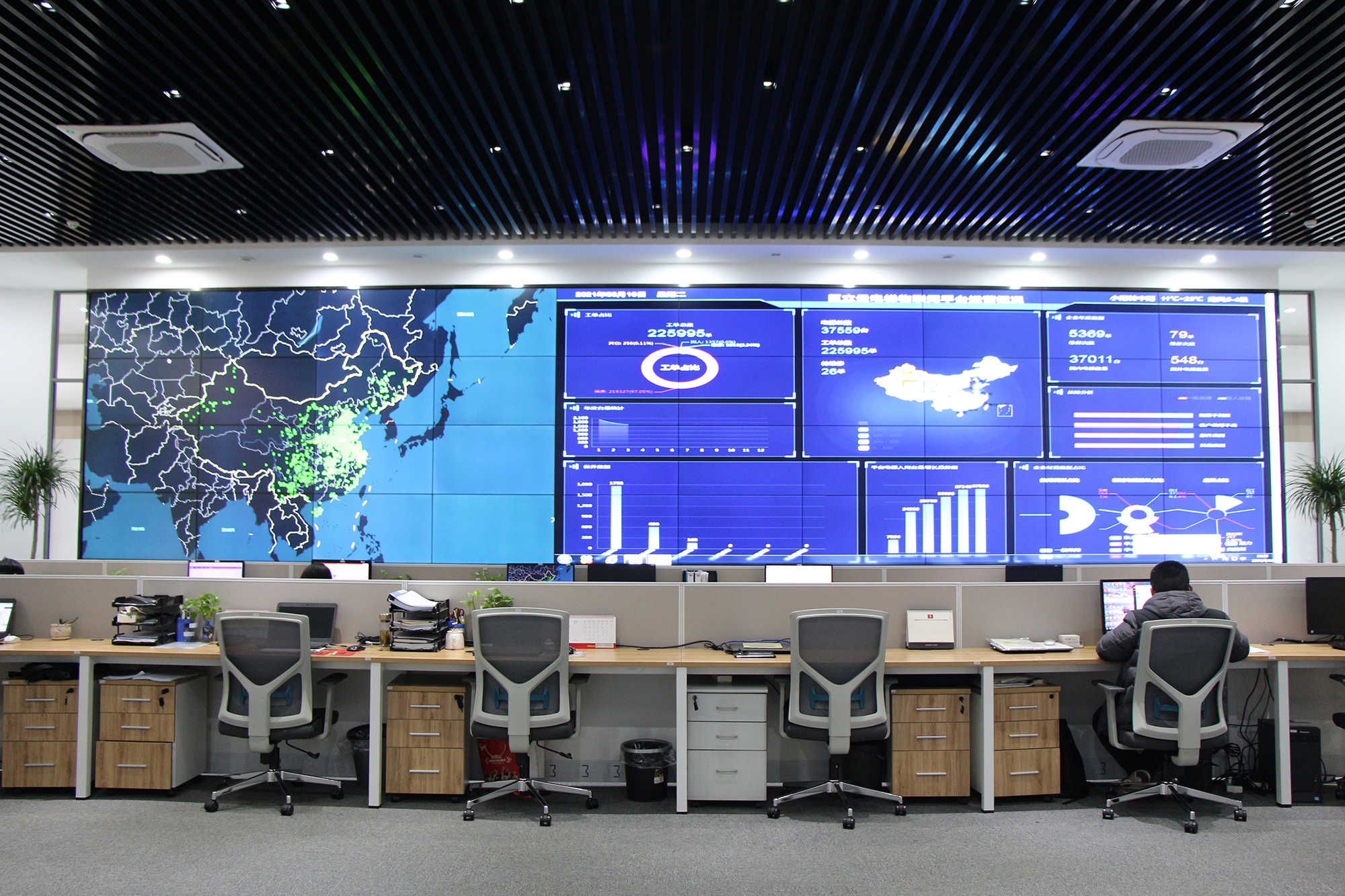
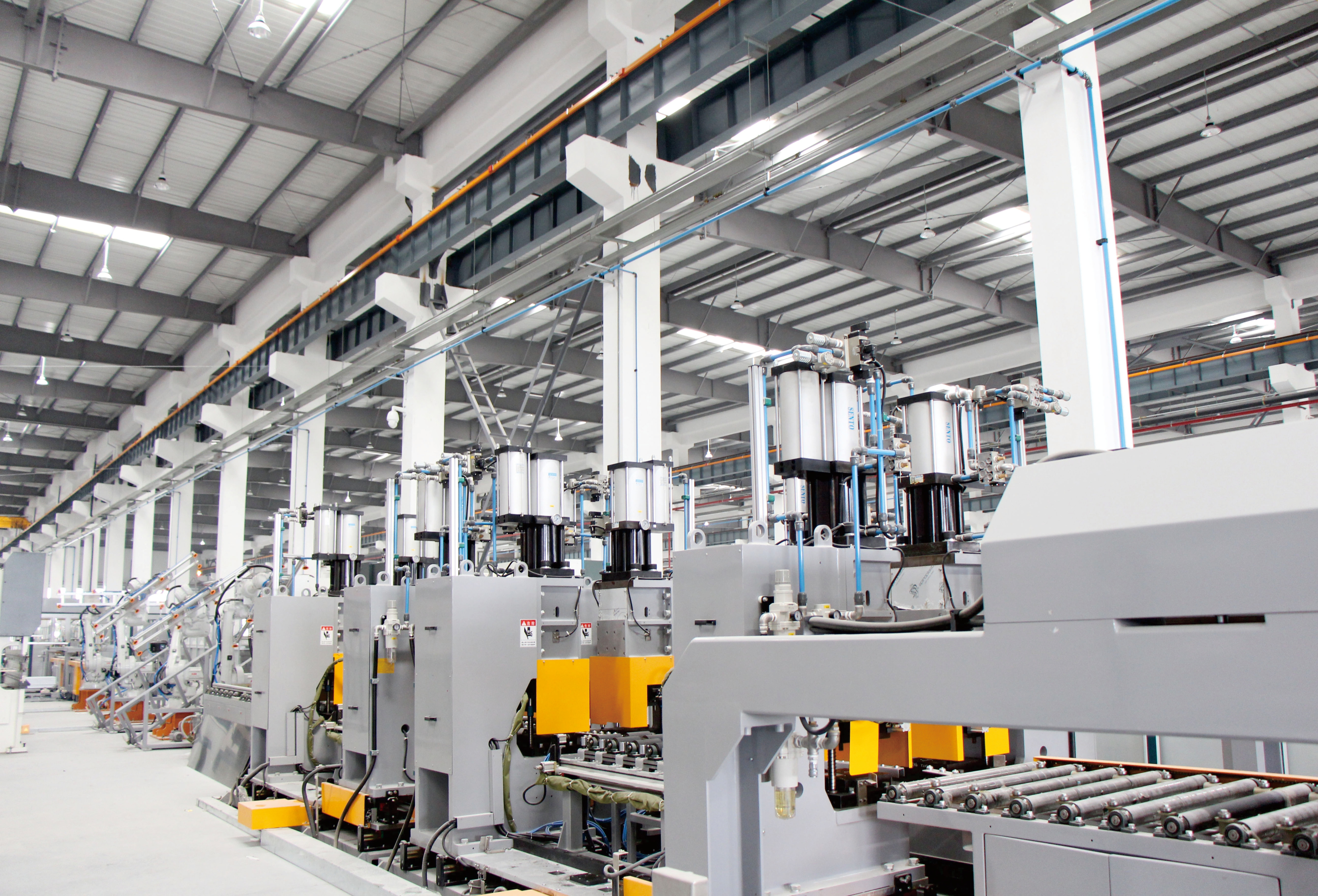
Once the category decision is made, the remaining risk is execution. Joylive Elevator Co., Ltd. (stock short name Joylive, stock code 833481) was founded in 2002 and is located in Bacheng Town, Kunshan City, Suzhou, Jiangsu Province, China. The company operates a 105,000 m² manufacturing site with 450 employees, a 150-engineer R&D team, and an annual output of 15,000 units; exports account for 55% of sales, with service coverage across China, Europe, America, Oceania, Africa, Central Asia, Southeast Asia, and the Middle East.
For buyers validating capability, three verifiable points carry more weight than catalogue language:
- Testing infrastructure. A nationally accredited CNAS laboratory and 100% product testing, which means every unit is tested rather than sampled.
- Customization range. OEM/ODM customization covers speed, load, travel height, car size, car decoration, logo, and related parameters, with a minimum order quantity of one unit and a lead time of 7 to 45 days depending on configuration.
- Compliance and service continuity. EU type-examination certificates LIMB.0124 rev.1 and LIMB.0100 rev.1, ISO 9001:2015, ISO 14001:2015, and GB/T 19001-2016 with GB/T 50430-2017, supported by online and offline technical support and a 24/365 hotline.
Joylive holds a top A qualification in China for special equipment manufacturing, installation, modernization, and maintenance, and is recognised as an MIIT intelligent service demonstration enterprise and a national high-tech enterprise. For an industrial buyer comparing lifting machinery categories, these are the checks that decide whether a freight elevator specification can actually be delivered in the destination market.
Frequently Asked Questions
What certificates should a freight elevator carry for an EU or North American project?
For EU projects, goods and goods-passenger lifts are type-examined under 2014/33/EU against EN 81-20:2020 and EN 81-50:2020. EN 81-20 and EN 81-50 are the mandatory European safety standards for elevator construction and component testing, replacing EN 81-1/2. Joylive holds certificate LIMB.0124 rev.1 for the machine room goods passenger lift and LIMB.0100 rev.1 for the machine-room-less goods passenger lift, both issued by EURO CERT. For North America, ASME A17.1-2025 (CSA B44-2025) is the relevant safety code, and its 2025 update includes enhanced requirements covering IoT-based remote operation monitoring. Management-system certificates ISO 9001:2015 (STQ10021-00) and ISO 14001:2015 (SHE10021-06, STE10021-06) support the quality and environmental side of the same review.
What load, speed, and travel range can a heavy-duty freight elevator cover?
Joylive's freight elevator series GF10, GF20, GFN20, and GFN30 covers loads from 1,000 kg to 200,000 kg, speeds from 0.25 m/s to 3.0 m/s, and a maximum travel height of 150 m, with SS304 as the reference material configuration. GFN models are machine-room-less, which removes the machine room from the building plan. Speed, load, travel height, car size, car decoration, and branding can be customized under an OEM/ODM model, and the series is specified for factories, logistics parks, warehouses, transport hubs, and infrastructure projects.
What drives the cost difference between a freight elevator and a forklift-and-ramp workflow?
The freight elevator's cost sits in civil works, shaft, doors, safety gear, and planned maintenance. A forklift-and-ramp workflow shifts cost into ramp construction or dock modification, floor loading provisions, operator labour, and energy. Because a ramp consumes permanent floor area and floor loading provisions are difficult to reverse, the option that moves the largest cost into the building is the least flexible decision. This guide does not quote prices; the commercial inputs worth requesting are a configuration-specific quotation, the civil works schedule, and the planned maintenance scope.
Can a freight elevator design be validated before full commitment?
Yes, through two routes. The first is configuration-level validation: the minimum order quantity for Joylive freight elevators is one unit, so a single machine can be built to a project-specific specification and tested. The second is reference validation: multi-unit projects with reported stable operation include Pegatron in Vietnam (87 passenger and freight elevators, two years), Wistron in Vietnam (36 units, five years), and Inventec in Mexico (9 units, one year). Testing is supported by a nationally accredited CNAS laboratory and 100% product testing before shipment.
What lead time and after-sales support should be planned?
Lead time ranges from 7 to 45 days depending on configuration and volume, against a monthly production capacity of 1,250 units and an annual output of 15,000 units. After-sales support is provided online and offline with a 24/365 hotline. For phased factory or logistics projects, the elevator delivery schedule should be aligned with the civil works programme rather than compressing both. A complete product and certificate overview is available in the Joylive Elevator catalogue for buyers who want to match configurations to a specific project.
Conclusion: Decide on Flow, Then Verify Execution
Freight elevators, vertical conveyors, forklifts with ramps, and short-travel platform lifts are not interchangeable answers to the same question. A freight elevator is the appropriate category when heavy discrete loads move between multiple fixed floors in a protected, access-controlled environment — and its specification range (1,000 kg to 200,000 kg, 0.25 m/s to 3.0 m/s, up to 150 m of travel across the GF10, GF20, GFN20, and GFN30 series) shows how wide that category actually is. Conveyors win on continuous small-item flow, forklifts win on route flexibility over short height differences, and platform lifts win on simplicity at fixed transfer points.
The evaluation discipline that separates good projects from expensive ones is sequencing: profile the load, map the building, size the throughput, fix the compliance route, compare lifecycle cost drivers, then verify that the supplier can deliver the specification in your market. Where the freight elevator category wins on flow, the supplier decision is what determines whether it wins on execution.
Next Step
If your project involves heavy discrete loads moving across multiple floors, request a configuration-specific quotation or the full product and certificate catalogue from Joylive Elevator Co., Ltd. Download the brochure: Joylive Elevator product brochure (PDF).
Email: [email protected] · Tel: +86 178-0524-3526 · WhatsApp: +8617805243526 · Website: joylivelift.com
Have Questions or Need More Details?
Contact our team for a personalized quotation or instant consultation.
Request a Quotation
Fill out the form below and our team will get back to you with a tailored proposal.
WhatsApp Direct Chat
Prefer to chat in real-time? Message us on WhatsApp for instant assistance & quick answers.
- Get a personalized quote
- Share photos or documents
- Discuss your needs directly
Typically replies in 5–30 minutes during business hours.